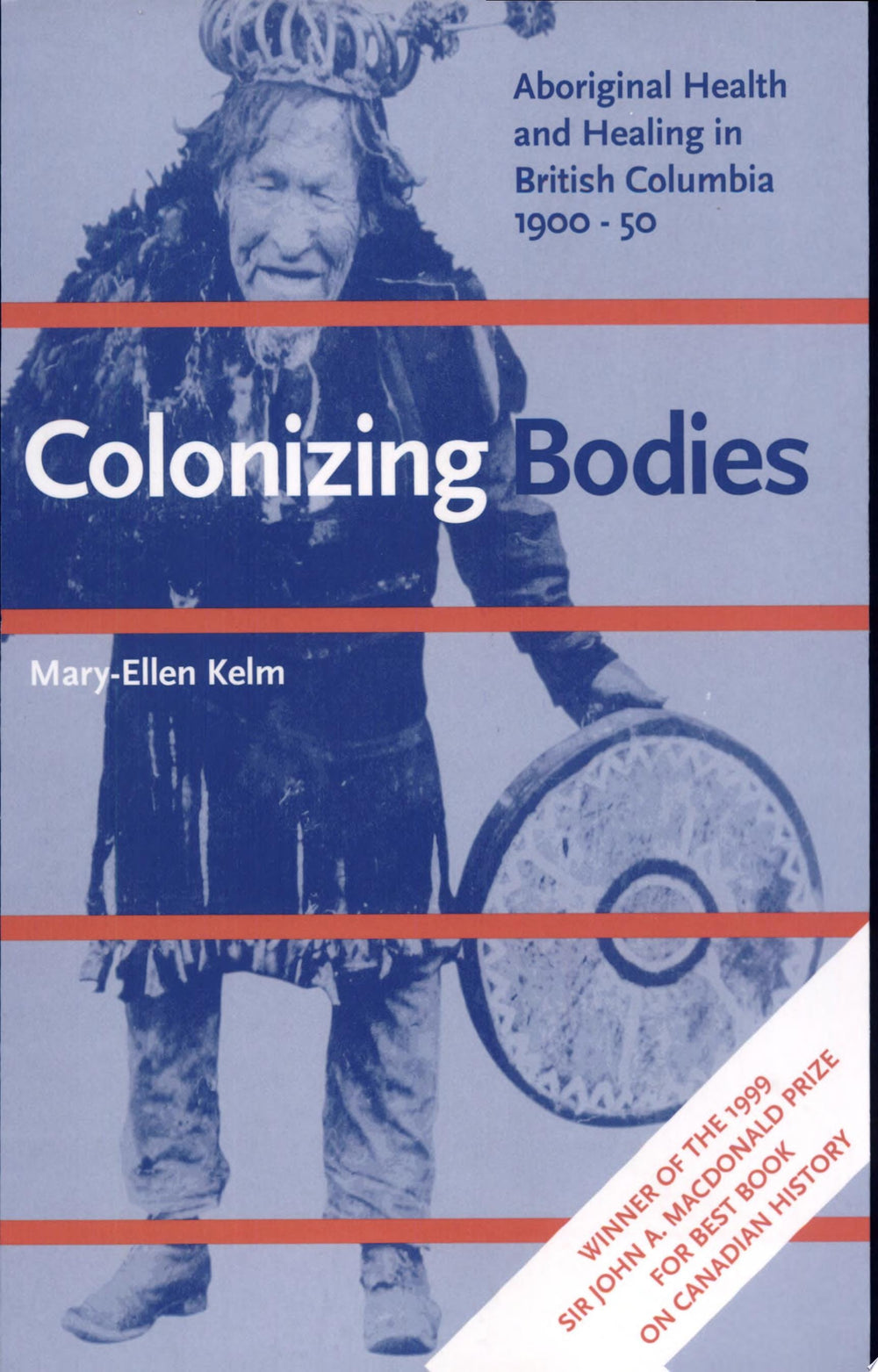
Colonizing Bodies Aboriginal Health and Healing in British Columbia, 1900-50
Original price was: $5.23.$2.99Current price is: $2.99.
Recent debates about the health of First Nations peoples have drawn a flurry of public attention and controversy, and have placed the relationship between Aboriginal well-being and reserve locations and allotments in the spotlight. Aboriginal access to medical care and the transfer of funds and responsibility for health from the federal government to individual bands and tribal councils are also bones of contention. Comprehensive discussion of such issues, however, has often been hampered by a lack of historical analysis.
Promising to remedy this is Mary-Ellen Kelm’s Colonizing Bodies, which examines the impact of colonization on Aboriginal health in British Columbia during the first half of the twentieth century. Using postmodern and postcolonial conceptions of the body and the power relations of colonization, Kelm shows how a pluralistic medical system evolved. She begins by exploring the ways in which Aboriginal bodies were materially affected by Canadian Indian policy, which placed restrictions on fishing and hunting, allocated inadequate reserves, forced children into unhealthy residential schools, and criminalized Indigenous healing. She goes on to consider how humanitarianism and colonial medicine were used to pathologize Aboriginal bodies and institute a regime of doctors, hospitals, and field matrons, all working to encourage assimilation. Finally, Kelm reveals how Aboriginal people were able to resist and alter these forces in order to preserve their own cultural understanding of their bodies, disease, and medicine.
This detailed but highly readable ethnohistory draws on archival sources, archeological findings, fieldwork, and oral history interviews with First Nations elders from across British Columbia. Kelm’s cross-disciplinary approach results in an important and accessible book that will be of interest not only to academic historians and medical anthropologists but also to those concerned with Aboriginal health and healing today.