Letters to a Young Scientist
Original price was: $2.99.$1.99Current price is: $1.99.
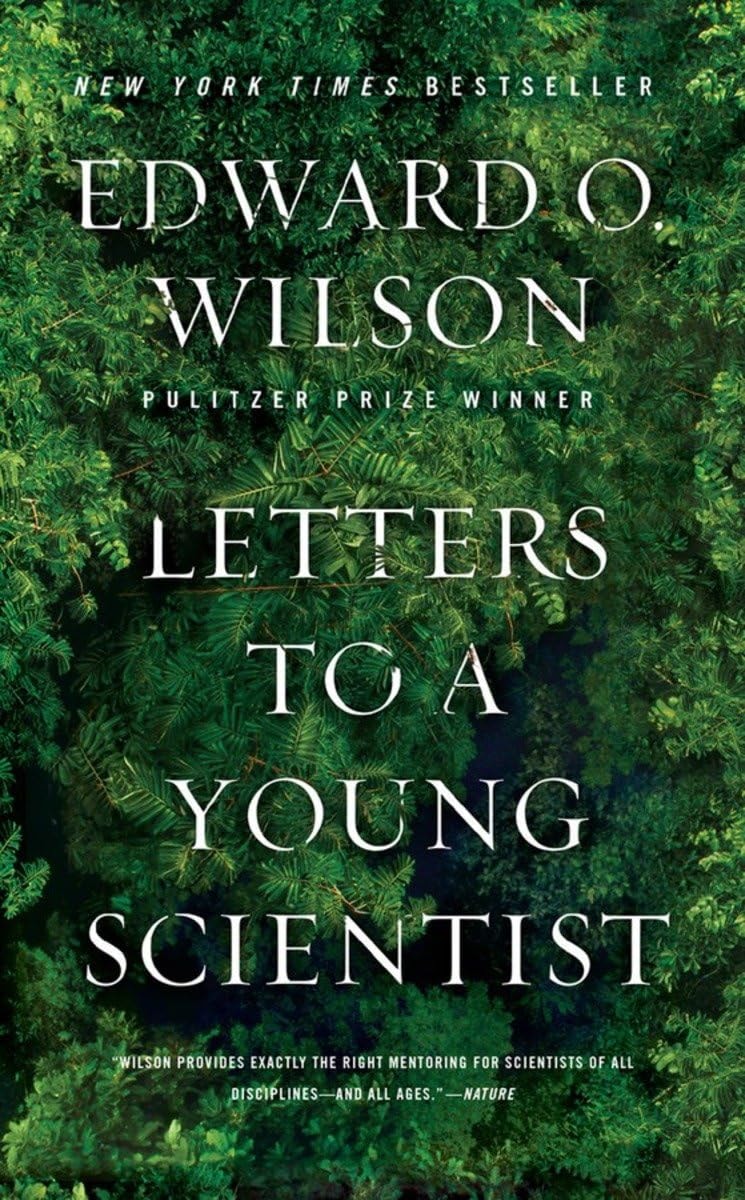
“At a time when the survival of our species and the rest of the living world is more than ever linked to our understanding of science, Pulitzer-Prize-winning biologist Edward O. Wilson has distilled sixty years of teaching into a book for students, both young and old alike. Throughout his storied career, Wilson has counseled thousands of talented young people, and as a result has gleaned a deep knowledge, indeed a philosophy, of what one needs to know to have a successful career in science. In Letters to a Young Scientist, he lays out not just his practical advice for how the next generation can succeed, but why it is so vitally important that they do. Wilson threads these twenty letters with richly illustrated autobiographical anecdotes that illuminate his career–both his successes and his failures–and his motivations for becoming a biologist. Beginning with his own coming-of-age in Mobile, Alabama, Wilson reflects on his adolescence as an enthusiastic Boy Scout, resolved to spend as much of his free time as possible outdoors, exploring the swamps and forests of the Gulf Coast and cataloging its many spiders, ants, snakes, and butterflies. Determined at first to reach the rank of Eagle Scout and then later to become an entomologist. Wilson describes an early passion tempered by education as being a guiding force in forging the arc of a career. Letters to a Young Scientist includes advice on choosing a field of study, finding a mentor, and the application of scientific theory in the real world. Yet Wilson insists that success in the sciences does not depend on mathematical skill or even a high IQ, but rather a passion for finding a problem and solving it. He calls more broadly for a synthesis of the sciences and humanities in the twenty-first century that can inspire a generation of young people, encourage their innate creativity, and set them to work solving the problems that previous generations have woefully ignored.”–Jacket.