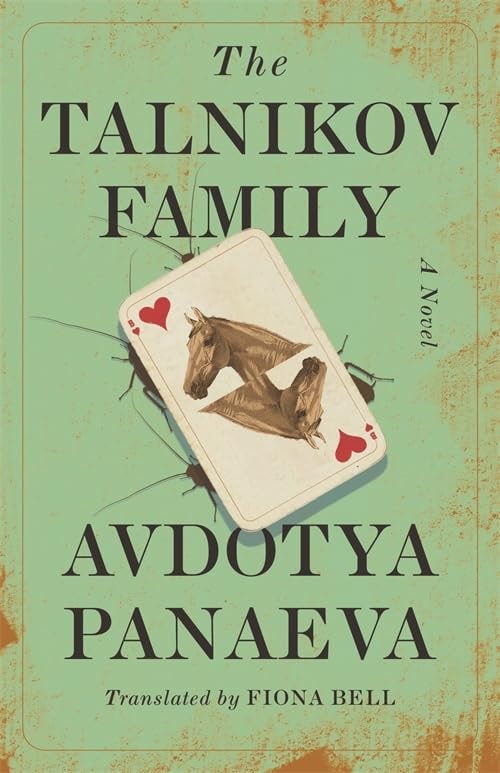
The Talnikov Family A Novel
Original price was: $4.34.$2.99Current price is: $2.99.
In the Talnikov household, violence is in the air. Natasha grows up in a chaotic and abusive family, surrounded by screaming relatives and scurrying cockroaches. Her father whips his children but dotes on his pets. Her aunts and governess take a grim satisfaction in doling out discipline–in between primping and preening for suitors. Amid this bleakness, Natasha and her siblings conspire to steal stray moments of childhood joy.
Avdotya Panaeva’s The Talnikov Family portrays a tumultuous upbringing in 1820s St. Petersburg with equal parts wit and rage. Modeled on the author’s own life before her marriage to a nobleman writer, this sensational novel joined nineteenth-century Russia’s intense debates about gender, sexuality, and revolution. It was swiftly suppressed after its original appearance in 1848, the censor calling it “cynical” and “undermining of parental power.” Panaeva published a number of iconic Russian writers; her own novel anticipates Dostoevsky’s frenetic quarrels and heightened tone as well as Chernyshevsky’s sweeping radicalism. Unlike many of her contemporaries, however, Panaeva considers the experiences of servants and workers, and she offers a critique of the family as ruthless as any other in literature. In Fiona Bell’s vivid translation, The Talnikov Family offers readers a new perspective on nineteenth-century Russian literature and the society that shaped it.