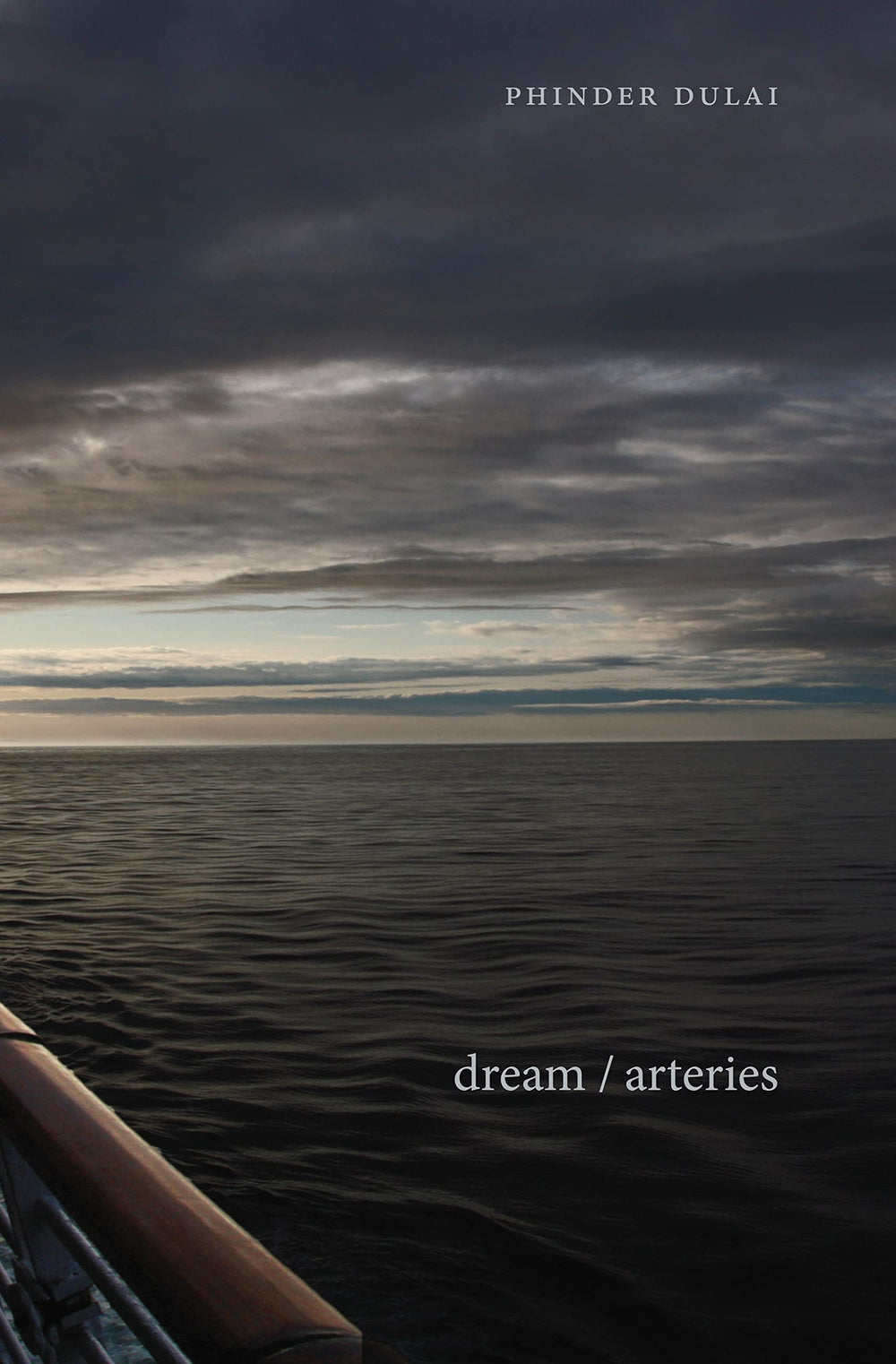
Dream/arteries
Original price was: $2.99.$1.99Current price is: $1.99.
The Japanese steamship Komagata Maru set sail for Canada with 376 Sikh, Muslim, and Hindu migrants travelling from Punjab, India. They were refused entry at Vancouver, even though all passengers were British subjects. The Komagata Maru sat moored in Vancouver’s harbour for two months while courts decided the passengers’ right to access – and while the city’s white citizens lined the pier taunting those onboard. Eventually, Canada’s racist exclusion laws were upheld and the ship was forced to return to India.
In his third poetry collection, dream / arteries, Phinder Dulai connects these 376 passengers with other New World settler migrants who travelled on the same ship throughout its thirty-six-year history, including to ports of call in Hong Kong, Japan, India, Turkey, Halifax, Montreal, and Ellis Island. By drawing on ship records, nautical maps, passenger manifests, and the rich, detailed record of the Komagata Maru, Dulai demonstrates how the 1914 incident encapsulates a broader narrative of migration throughout the New World.
Dulai’s hybrid poetics fuse historical fact with the fictive. He interweaves words of loss and silence with the cacophonous sound bites of TV news culture, war coverage, and the manifestations of contemporary ennui. Framing the “I” in the provisional realm of the observer and “subjectless” space, Dulai draws out the poetic line to explore hope, possibility, and regeneration.