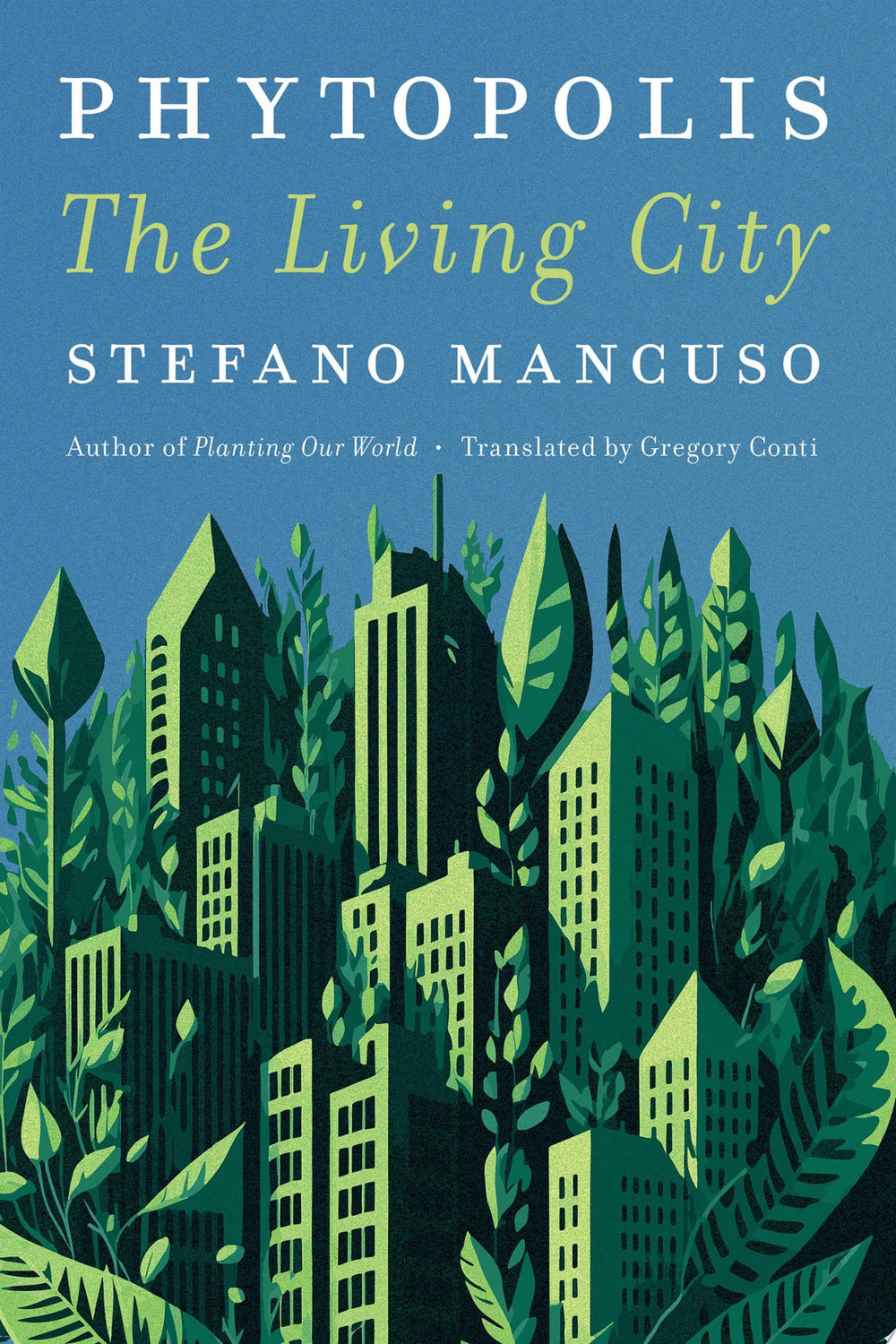
Phytopolis: The Living City
Original price was: $5.09.$2.99Current price is: $2.99.
A renowned plant expert explains how we can make urgent, positive changes to our cities that protect against and reduce global warming.
The conquest of new lands has been the greatest occupation of our species: for hundreds of thousands of years, humans have searched for new territories to inhabit, finding in the city the best place to live in the last hundred years. Looking at the parabola of our geographical expansion, it appears that humans have gone from being a generalist species, capable of colonizing any environment, to very quickly becoming a specialized species, capable of thriving only within a particular habitat. The city seems to have become the only place where we can expect to thrive and reproduce, because it is the only place where our specialization gives us the best chance of survival, and quality of life.
However, “species specialization” is effective only in a stable environment: in changing environmental conditions, it becomes dangerous. And if the resources the city needs to thrive are not unlimited, global warming can permanently change the environment of our cities-an event that would be fatal. But it is the city itself, as it is today, that is the main driver of environmental destruction. Humankind is confronted with a paradox: we must rethink our cities and make them a lasting ecological niche.
In this clear, accessible, and fascinating work, Stefano Mancuso proposes a green solution: how would our cities be transformed if their framework were modeled on plants?