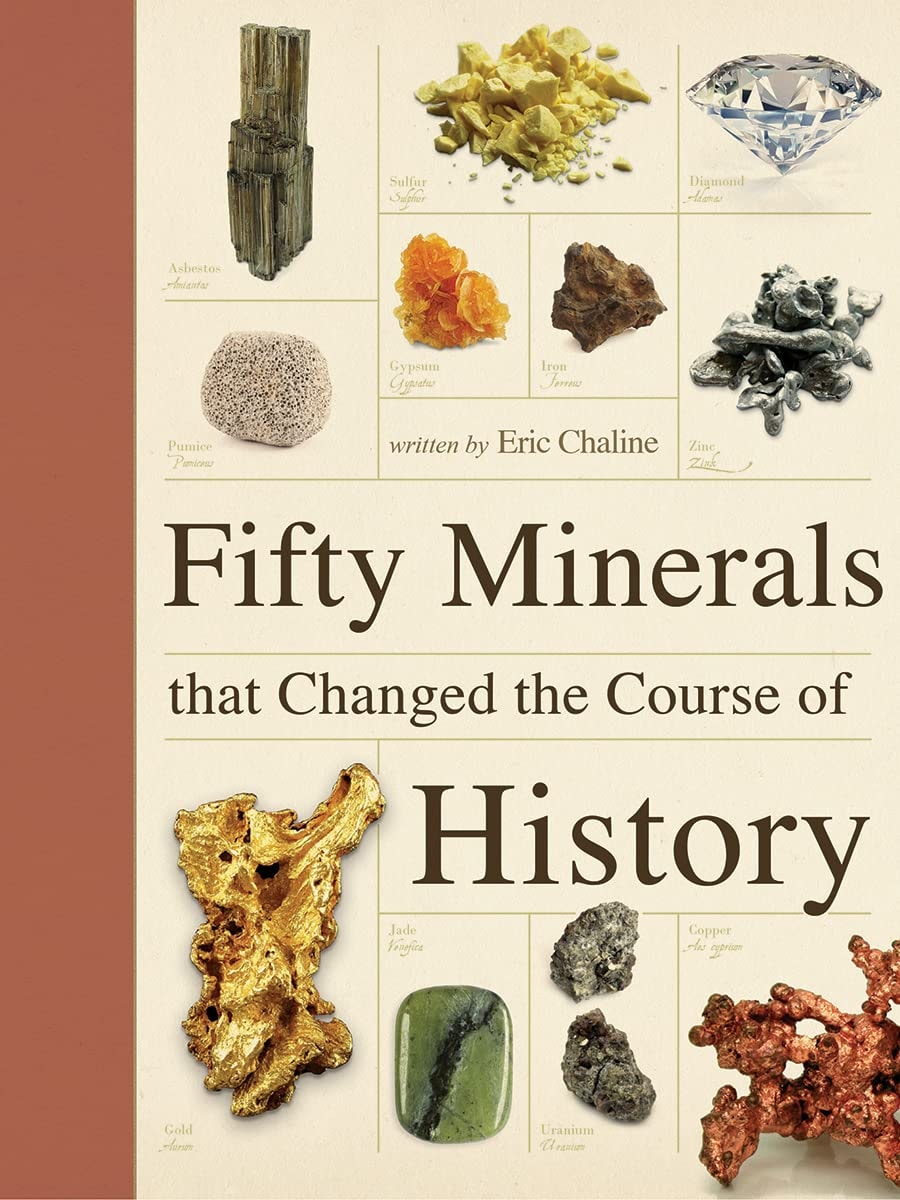
Fifty Minerals That Changed the Course of History

Original price was: $2.99.Current price is: $1.99.

Clothing Size Conversion Chart
Category US EU UK Chest (in) Waist (in) Hips (in)
Men XS 44 34 32-34 26-28 33-35
S 46 36 34-36 28-30 35-37
M 48 38 38-40 32-34 39-41
L 50 40 42-44 36-38 43-45
XL 52 42 46-48 40-42 47-49
Women XS 32 6 31-32 24-25 33-34
S 34 8 33-34 26-27 35-36
M 36 10 35-36 28-29 37-38
L 38-40 12-14 37-39 30-32 39-41
XL 42 16 40-42 33-35 42-44
Youth XS 128 7 26-28 23-24 26-28
S 134 8 28-30 24-25 28-30
M 140 10 30-32 25-26 30-32
L 146 12 32-34 26-27 32-34
XL 152 14 34-36 27-28 34-36
Pants Size Conversion Chart
CategoryUSEUUKWaist (in)Hip (in)Inseam (in)
Men284428283430
304630303631
324832323832
345034344033
365236364234
Women0324243430
2346253530
4368263631
63810273832
84012284032
Shoes Size Conversion Chart
CategoryUSEUUKFoot Length (in)
Men6395.59.25
7406.59.625
8417.510
9428.510.25
10439.510.625
114410.511
124511.511.25
134612.511.625
Women5352.58.5
6363.58.875
7374.59.25
8385.59.625
9396.510
10407.510.25
11418.510.625
12429.511
M (Unisex)5374.58.75
6385.59
7396.59.5
8407.510
9418.510.25
10429.510.625
114310.511
124411.511.25
68 People watching this product now!
Description

“The brief sections are consistently interesting, and plenty of supplemental illustrations and photos make this a handsome volume… best-suited to curious kids and casual mineralogists.” –Publishers Weekly

“A beautiful book, nicely bound and richly illustrated… written in an easy to read, casual style.” –Science Books and Films

Fifty Minerals that Changed the Course of History is a beautifully presented guide to the minerals that have had the greatest impact on human civilization. These are the materials used from the Stone Age to the First and Second Industrial Revolutions to the Nuclear Age and include metals, ores, alloys, salts, rocks, sodium, mercury, steel and uranium. The book includes minerals used as currency, as jewelry and as lay and religious ornamentation when combined with gem minerals like diamonds, amber, coral, and jade.

Examples of the fifty minerals are:

  • Diamonds: Did a necklace ordered by Louis XV precipitate the French Revolution?
  • Sulphur: The biblical brimstone now used in organic farming.
  • Clay: The oldest ceramic object is not a cooking pot or drinking bowl, but a statuette.
  • Arsenic: Was Napoleon murdered while imprisoned on the island of St. Helena?
  • Coal: The Romans invented the first central heating system.
  • Saltpeter: China’s fourth “Great Invention” was perhaps not so great after all.
  • Salt: Once used as currency, we give it little thought today.
  • Jade: The Chinese fabric of “pajamas for eternity.”
  • Ubiquitous or rare, the minerals described in Fifty Minerals that Changed the Course of History have been fundamental to human progress, for good or evil. Many are familiar — the aluminum can we drink from, the car we drive, the jewelry we wear. They can be poisons, medicines or weapons, but wherever found and however used, their importance can be easily overlooked. This attractive reference gives us fascinating insight into our undeniable dependence on minerals.