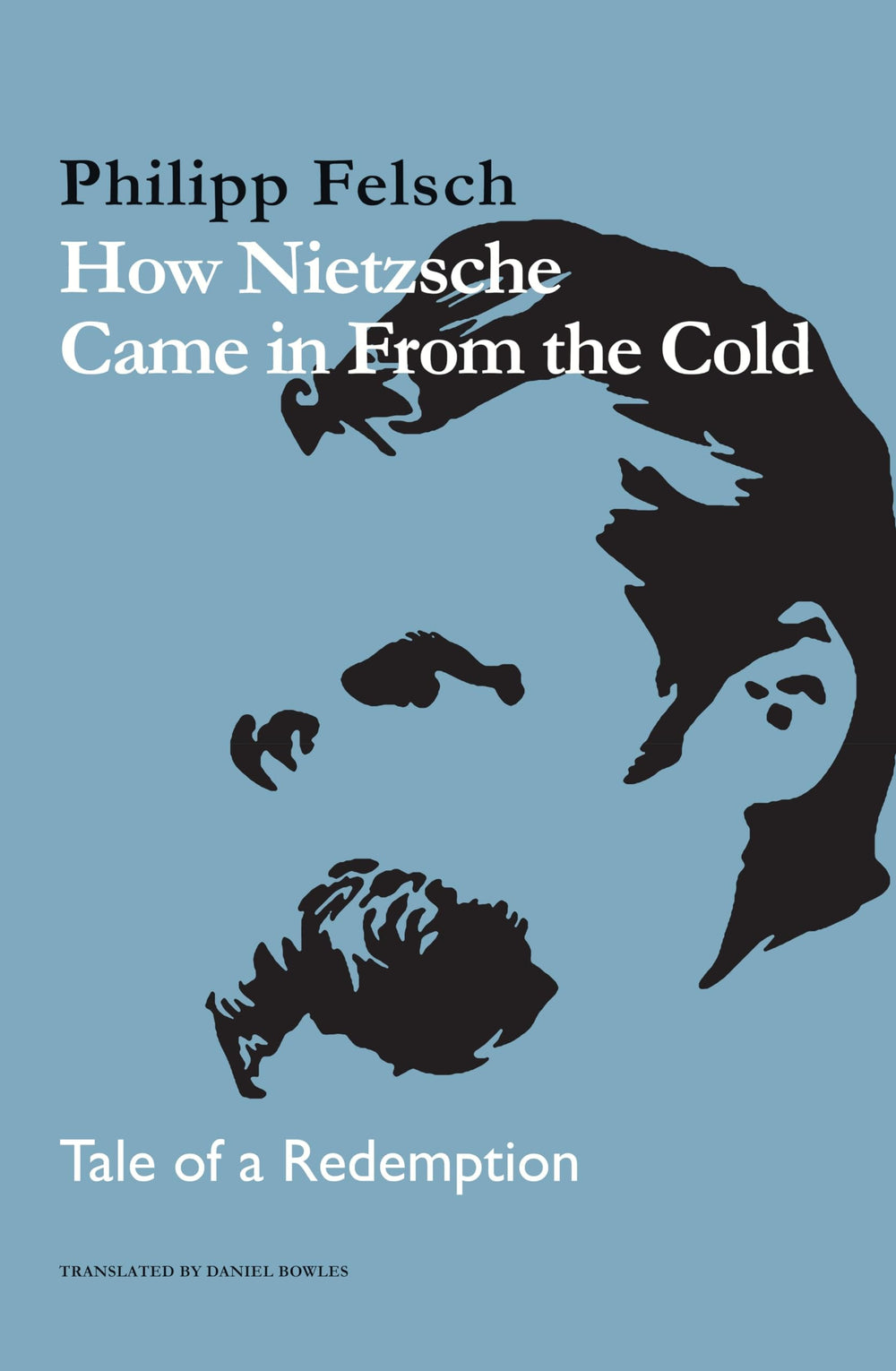
How Nietzsche Came in From the Cold Tale of a Redemption
Original price was: $5.38.$2.99Current price is: $2.99.
Nietzsche’s reputation, like much of Europe, lay in ruins in 1945. Giving a platform to a philosopher venerated by the Nazis was not an attractive prospect for Germans eager to cast off Hitler’s shadow. It was only when two ambitious antifascist Italians, Giorgio Colli and Mazzino Montinari, began to comb through the archives that anyone warmed to the idea of rehabilitating Nietzsche as a major European philosopher.
Their goal was to interpret Nietzsche’s writings in a new way and free them from the posthumous falsification of his work. The problem was that 10,000 barely legible pages were housed behind the Iron Curtain in the German Democratic Republic, where Nietzsche had been officially designated an enemy of the state. In 1961, Montinari moved from Tuscany to the home of actually existing socialism to decode the “real” Nietzsche under the watchful eyes of the Stasi. But he and Colli would soon realize that the French philosophers making use of their edition were questioning the idea of the authentic text and of truth itself.
Felsch retraces the journey of the two Italian editors and their edition, telling a gripping and unlikely story of how one of Europe’s most controversial philosophers was resurrected from the baleful clutch of the Nazis and transformed into an icon of postmodern thought.