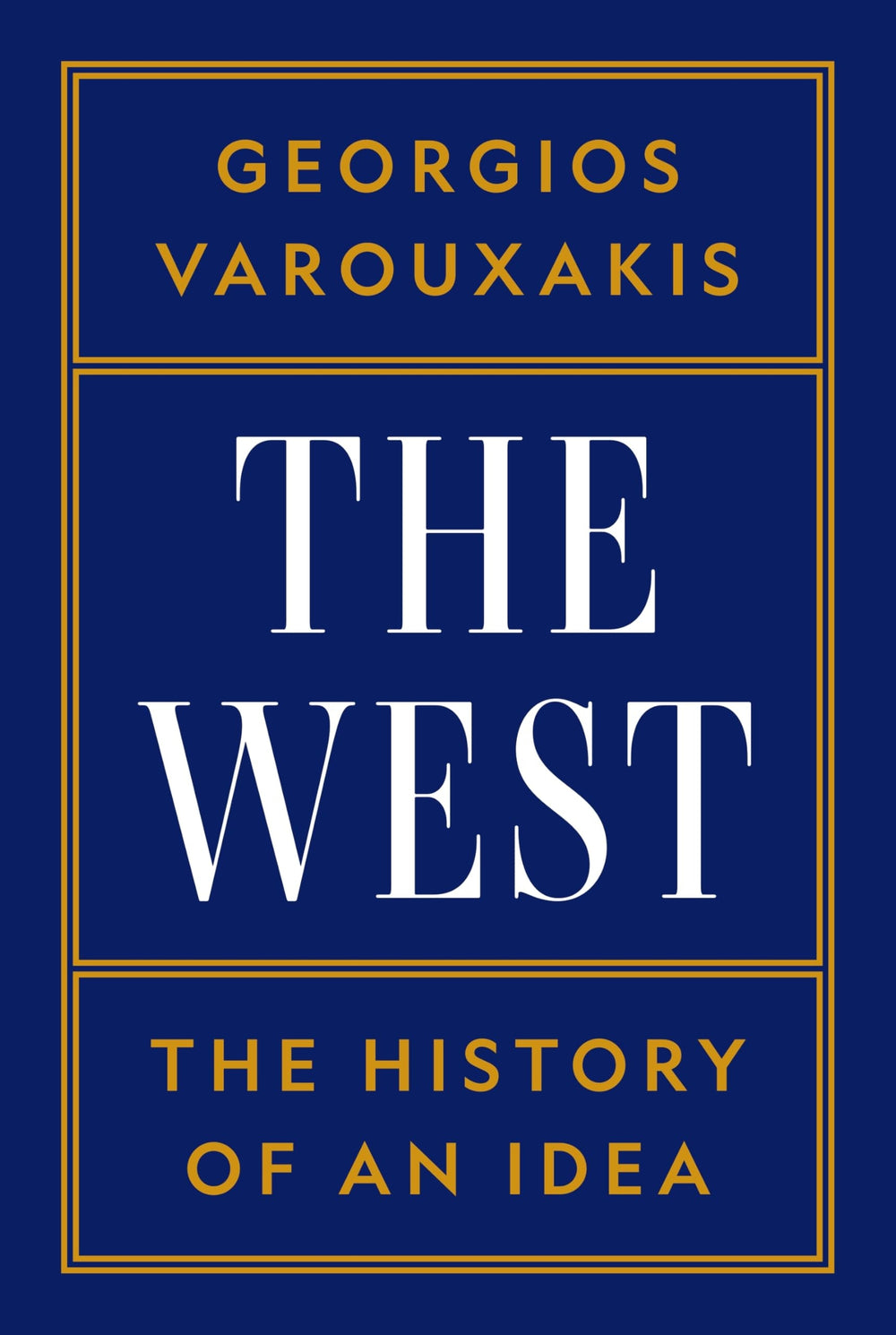
The West The History of an Idea
Original price was: $8.08.$4.99Current price is: $4.99.
A comprehensive intellectual history of the idea of the West
How did “the West” come to be used as a collective self-designation signaling political and cultural commonality? When did “Westerners” begin to refer to themselves in this way? Was the idea handed down from the ancient Greeks, or coined by nineteenth-century imperialists? Neither, writes Georgios Varouxakis in The West, his ambitious and fascinating genealogy of the idea. “The West” was not used by Plato, Cicero, Locke, Mill, or other canonized figures of what we today call the Western tradition. It was not first wielded by empire-builders. It gradually emerged as of the 1820s and was then, Varouxakis shows, decisively promoted in the 1840s by the French philosopher Auguste Comte (whose political project, incidentally, was passionately anti-imperialist). The need for the use of the term “the West” emerged to avoid the confusing or unwanted consequences of the use of “Europe.” The two overlapped, but were not identical, with the West used to differentiate from certain “others” within Europe as well as to include the Americas.
After examining the origins, Varouxakis traces the many and often astonishingly surprising changes in the ways in which the West has been understood, and the different intentions and consequences related to a series of these contested definitions. While other theories of the West consider only particular aspects of the concept and its history (if only in order to take aim at its reputation), Varouxakis’s analysis offers a comprehensive account that reaches to the present day, exploring the multiplicity of current, and not least, prospective future meanings. He concludes with an examination of how, since 2022, definitions and membership of the West have been reworked to consider Ukraine, as the evolution and redefinitions continue.