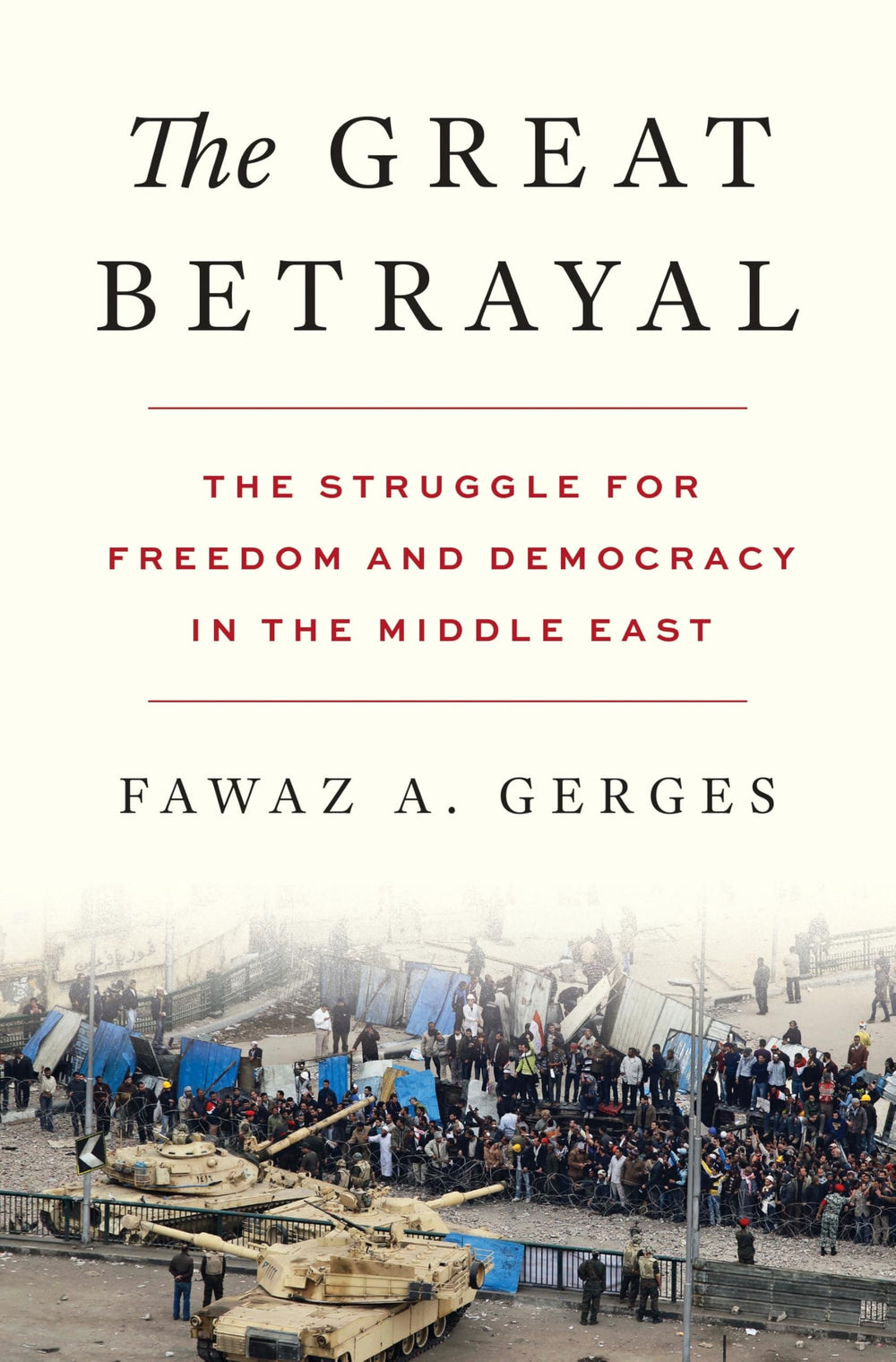
The Great Betrayal The Struggle for Freedom and Democracy in the Middle East
Original price was: $7.19.$3.99Current price is: $3.99.
How the Middle East can achieve political change and social progress
The Middle East is in upheaval: a widening chasm between state and society, the failure of governing elites to address citizens’ genuine grievances, massive economic mismanagement-all made worse by repeated interventions by Western powers. Why has political change been so difficult to achieve? In The Great Betrayal, Fawaz Gerges argues that the convergence of political authoritarianism, meddling by the West, and the effects of prolonged regional conflicts have produced political paralysis and economic stagnation. The agency of everyday people has been thwarted by an authoritarian status quo that is maintained by a powerful partnership of external and internal forces.
Gerges traces more than a century of consequential events in the region, from the end of the Ottoman Empire and the European carve-up of the Middle East to the Iranian Revolution and the Arab Spring uprisings. He shows how the people of the Middle East have been systematically denied self-determination, political representation, and effective government. Gerges finds that the region, with its diversity, variability, and volatility, defies abstract grand theories; previous accounts that have attributed the Middle East’s problems to any one cause such as modernism, ignore the complexity and specificity of the issues. What can we learn from the Middle East’s vexed history? Gerges is optimistic, declaring that the region’s future will be determined not by dictators and their superpower patrons but by a growing population of Arab and Muslim youth who demand to be treated as citizens and not as subjects.