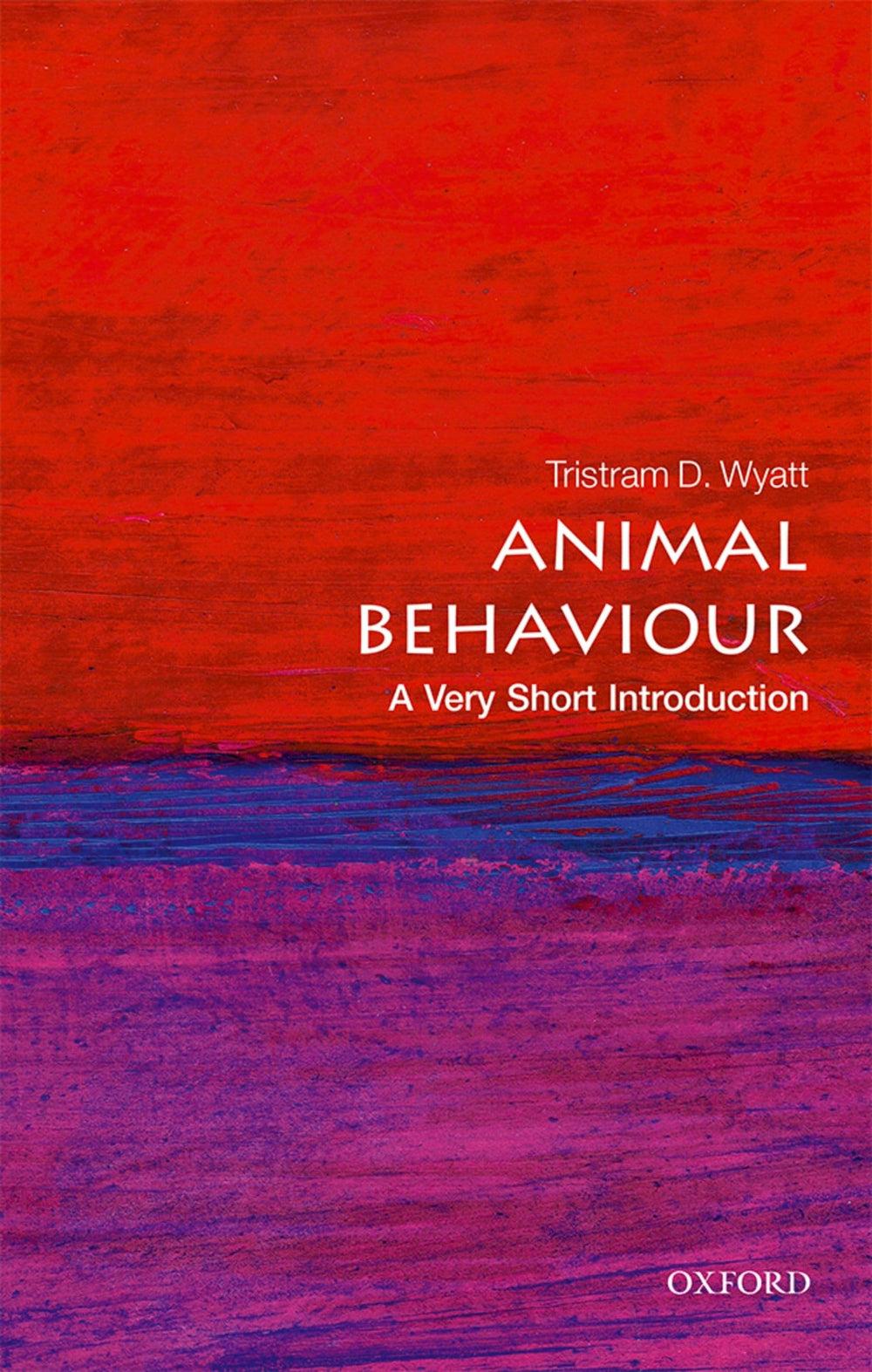
Animal Behaviour A Very Short Introduction
Original price was: $2.02.$1.99Current price is: $1.99.
How animals behave is crucial to their survival and reproduction. The application of new molecular tools such as DNA fingerprinting and genomics is causing a revolution in the study of animal behaviour, while developments in computing and image analysis allow us to investigate behaviour in ways never previously possible. By combining these with the traditional methods of observation and experiments, we are now learning more about animal behaviour than ever before.In this Very Short Introduction Tristram D. Wyatt discusses how animal behaviour has evolved, how behaviours develop in each individual (considering the interplay of genes, epigenetics, and experience), how we can understand animal societies, and how we can explain collective behaviour such as swirling flocks of starlings. Using lab and field studies from across the whole animal kingdom, he looks at mammals, butterflies, honeybees, fish, and birds, analysing what drives behaviour, and exploring instinct, learning, and culture. Looking more widely at behavioural ecology, he also considers some aspects of human behaviour.ABOUT THE SERIES: The Very Short Introductions series from Oxford University Press contains hundreds of titles in almost every subject area. These pocket-sized books are the perfect way to get ahead in a new subject quickly. Our expert authors combine facts, analysis, perspective, new ideas, and enthusiasm to make interesting and challenging topics highly readable.