Rachel Carson and the Power of Queer Love
Original price was: $5.23.$2.99Current price is: $2.99.
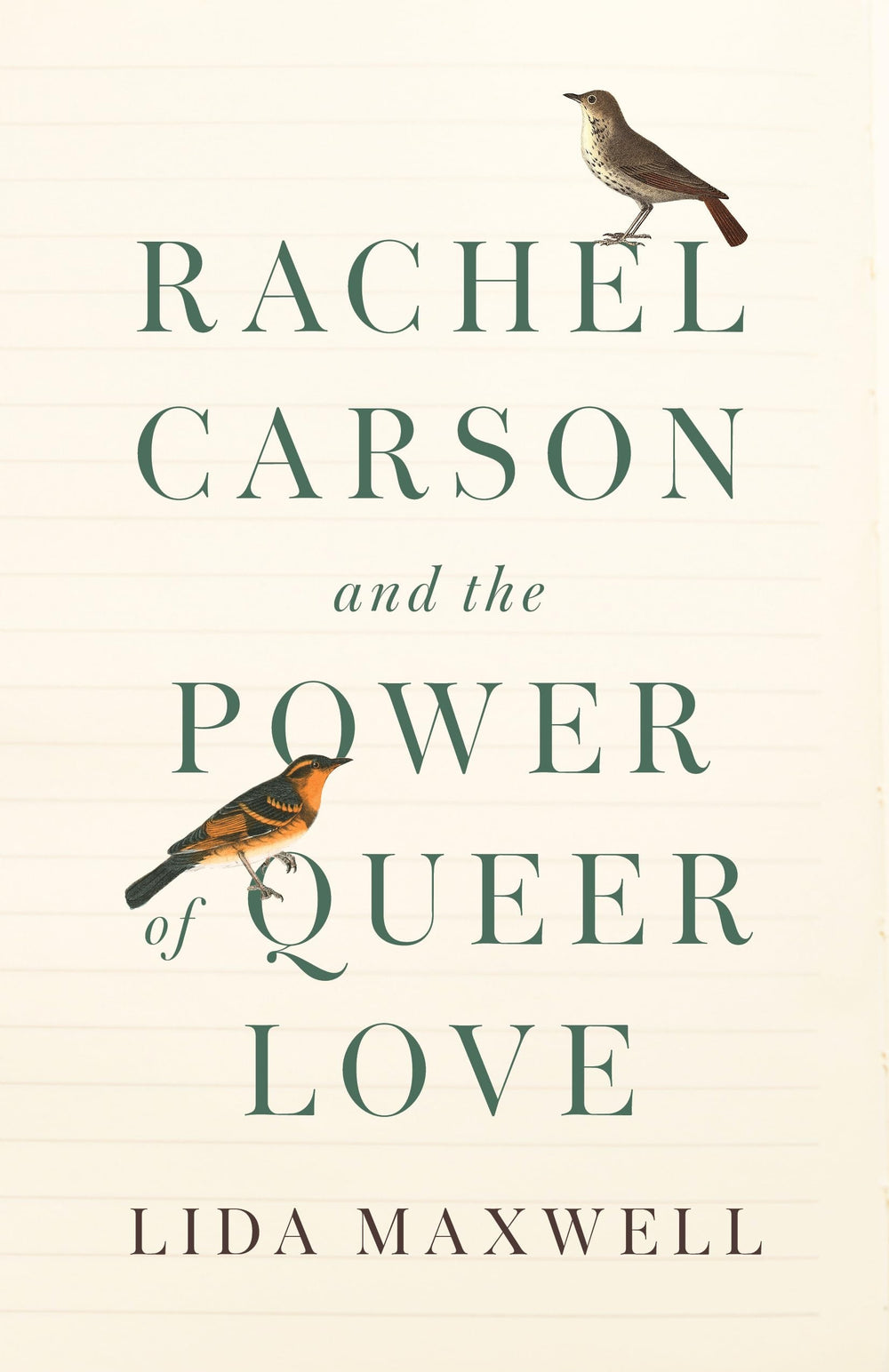
” Reading Silent Spring as an outgrowth of Rachel Carson’s love with Dorothy Freeman, Maxwell argues for the power of queer love now in the fight against climate change. There is something major missing from most accounts of Silent Spring and its impact: namely, Dorothy Freeman, with whom Rachel Carson had a love relationship for over a decade. Freeman had a summer house with her husband, Stan, on the island of Southport, Maine, where Carson settled after the success of her first bestseller, The Sea Around Us . Correspondence shows the women developing strong feelings as they connect over their shared pleasure in the rocky coast. In this moving new book, political theorist Lida Maxwell offers close readings that suggest Carson’s relationship with Freeman was central to her writing of Silent Spring -a work whose defense of vibrant nonhuman nature allowed Carson and Freeman’s love to flourish and for the pair to become their most authentic selves. What Maxwell calls Carson and Freeman’s “queer love” unsettled their heteronormative ideas of the good life as based in bourgeois private life, and led Carson to an increasingly critical view of capitalism and its effects on nonhuman nature and human lives alike. From these women’s experience Maxwell compellingly makes the case for an alternative democratic climate politics based on learning how to tune into authentic desire. Read through this lens, Carson’s work begins to look different and shows us not that the human incursion into nature is dangerous, but that a particular relationship is: the loveless using up of nature for capitalism. When Carson and Freeman correspond in excited detail about the algae, anemones, and veery thrushes of the Maine coast, they give us a glimpse of a different, more loving use of nature. Inspired by Carson and Freeman’s deep care for one another, Maxwell reveals how a form of loving available to all of us can help reshape political desire amidst contemporary environmental crises”–