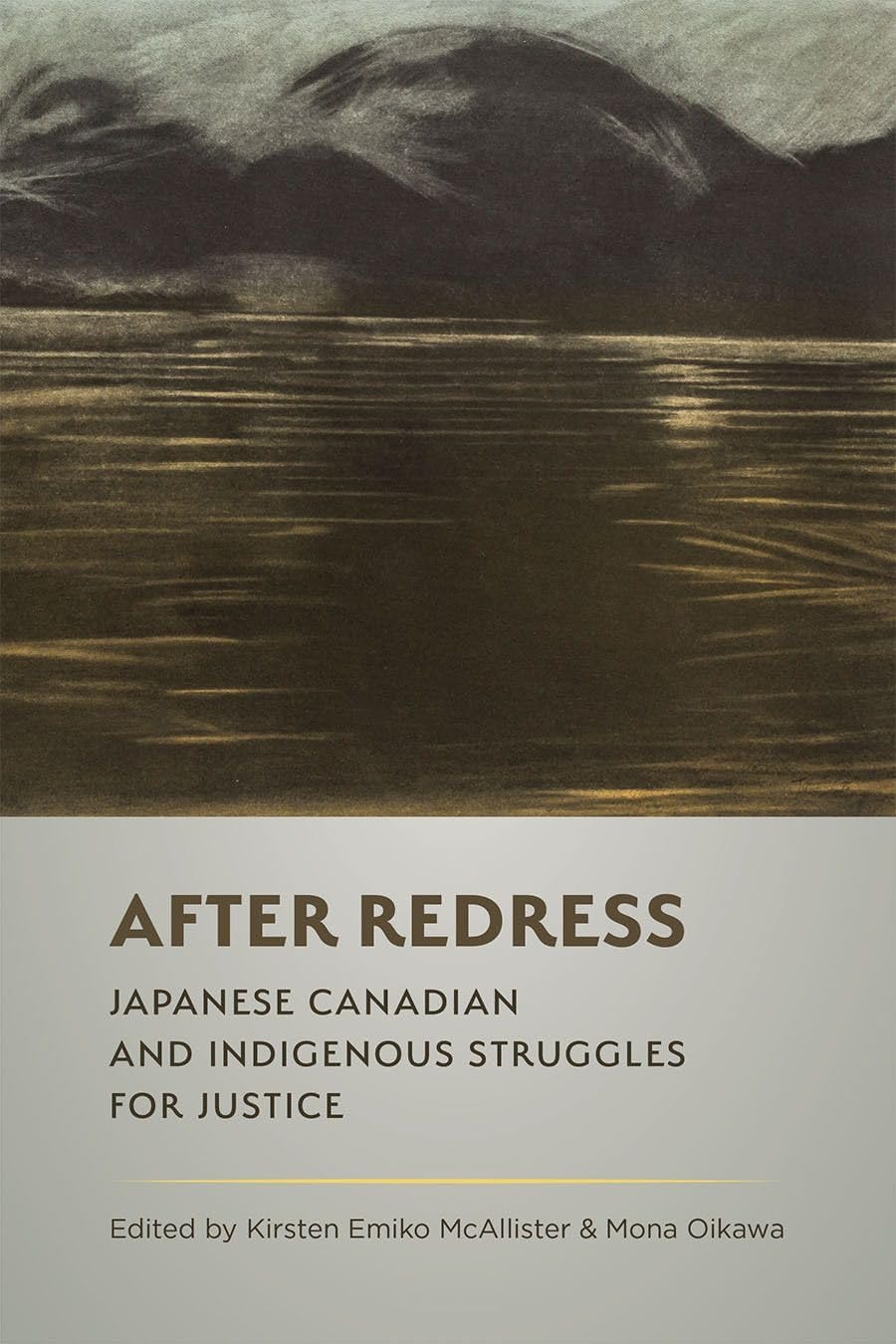
After Redress Japanese Canadian and Indigenous Struggles for Justice
Original price was: $5.23.$2.99Current price is: $2.99.
“Over the last two decades, critics of state redress and truth and reconciliation commissions have argued that state apologies are used to control and co-opt demands for justice. This volume contributes to these critiques, focusing on demands for justice made by Indigenous peoples and Japanese Canadians over the last thirty years. But this volume also examines the complex and often paradoxical process of redress and the settler-state’s mechanisms for (re)conciliation from the perspectives of these communities, considering the repercussions for survivors and the next generations. The contributors are concerned in particular with how struggles for justice do not stop with state redress but continue long after. For instance, the volume addresses how Canadian institutions still attempt to control narratives about Indian Residential Schools and Japanese Canadian internment, which are part of a larger genocidal system of colonization and racial management of the population. At another level, this volume examines how Indigenous peoples and Japanese Canadians conceive social justice and their political subjectivity in ways that resist or conform to western liberal subjectivity. Others discuss the link between their systems of knowledge and governance, whether through political strategy, storywork or textual and narrative tactics. While both Indigenous peoples and Japanese Canadians have experienced persecution by the Canadian settler state, the volume also makes evident the differences in the nature and scale of persecution. In addition, questions regarding Japanese Canadians’ complicities in the settler colonial project, as well as the political relations and alliances between Indigenous peoples and Japanese Canadians, are critically discussed. By framing their analyses in relation to the “after” of redress, the contributors variously reflect upon the effectiveness and the effects of both the demands for reparations and the strategies Indigenous peoples and Japanese Canadians have developed to assert their resistance.”–