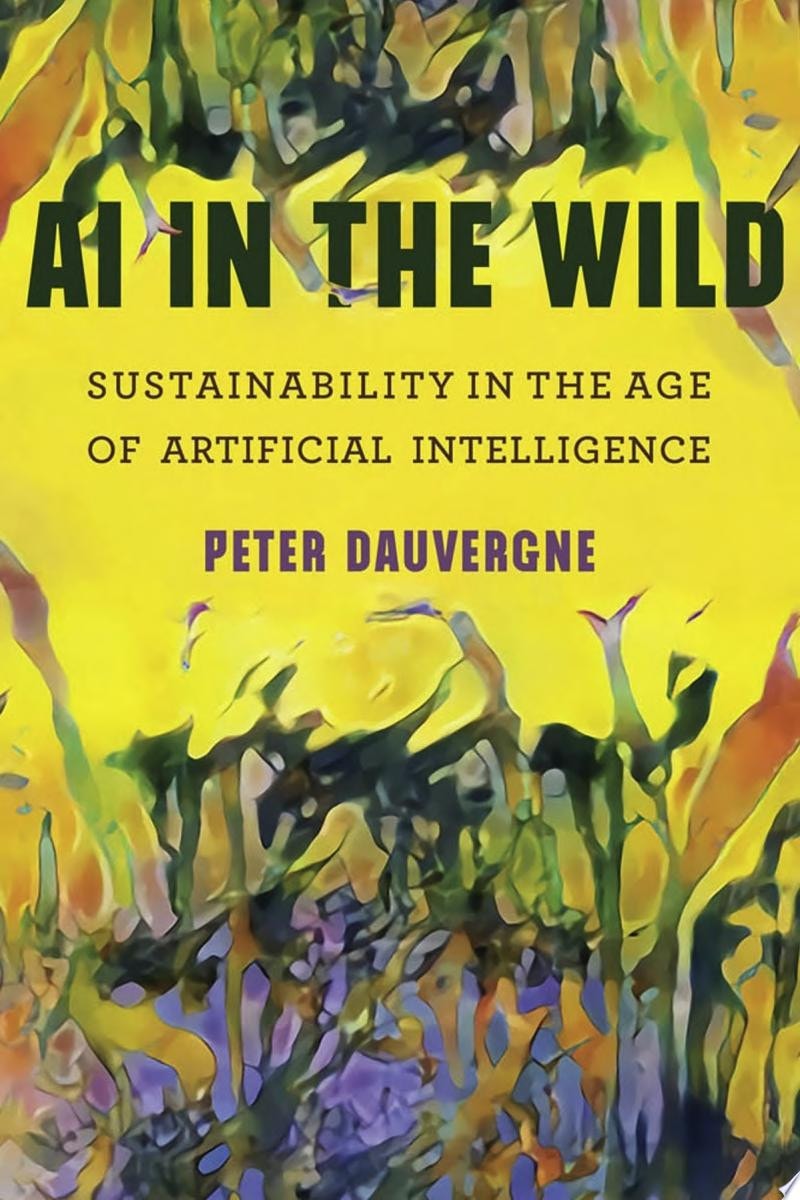
AI in the Wild Sustainability in the Age of Artificial Intelligence
Original price was: $5.08.$2.99Current price is: $2.99.
Examining the potential benefits and risks of using artificial intelligence to advance global sustainability.
Drones with night vision are tracking elephant and rhino poachers in African wildlife parks and sanctuaries; smart submersibles are saving coral from carnivorous starfish on Australia’s Great Barrier Reef; recycled cell phones alert Brazilian forest rangers to the sound of illegal logging. The tools of artificial intelligence are being increasingly deployed in the battle for global sustainability. And yet, warns Peter Dauvergne, we should be cautious in declaring AI the planet’s savior. In AI in the Wild, Dauvergne avoids the AI industry-powered hype and offers a critical view, exploring both the potential benefits and risks of using artificial intelligence to advance global sustainability.
Dauvergne finds that corporations and states often use AI in ways that are antithetical to sustainability. The competition to profit from AI is entrenching technocratic management, revving up resource extraction, and turbocharging consumption, as consumers buy new smart devices (and discard their old, less-smart ones). Smart technology is helping farmers grow crops more efficiently, but also empowering the agrifood industry. Moreover, states are weaponizing AI to control citizens, suppress dissent, and aim cyberattacks at rival states.
Is there a way to harness the power of AI for environmental and social good? Dauvergne argues for precaution and humility as guiding principles in the deployment of AI.