Albert Kahn Inc. Architecture, Labor, and Industry, 1905-1961
Original price was: $11.83.$10.99Current price is: $10.99.
A study of Albert Kahn Incorporated-the architecture firm closely associated with the Ford Motor Company and other auto companies-that explores capitalism and political economy through the built environment of industry and culture.
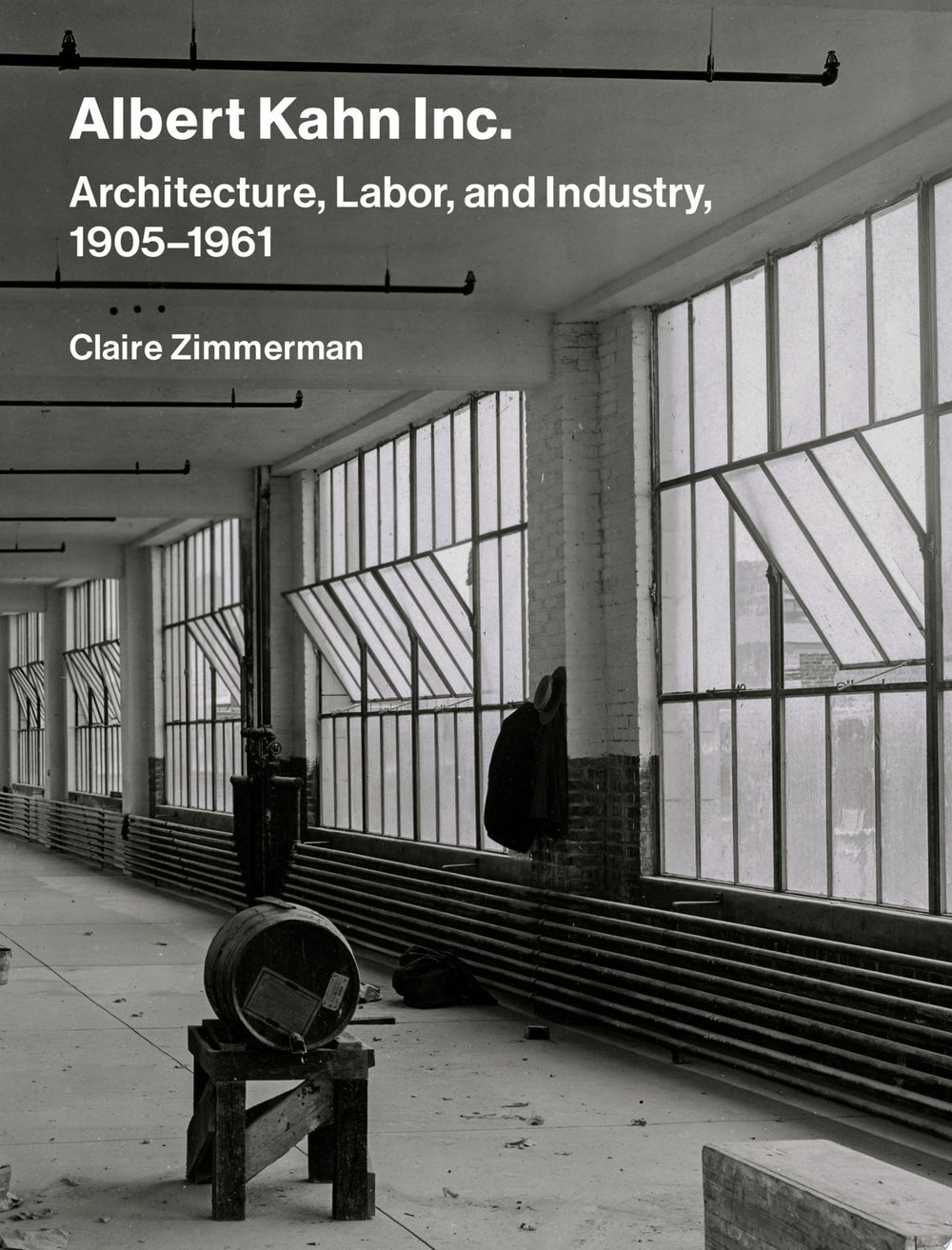
In Albert Kahn Inc. Claire Zimmerman provides a history of second-wave industrialization associated with the growth and development of the United States auto industry and its global footprint. A forensic analysis of the “architects of Ford,” the book theorizes how building and capitalism intersected in the case of twentieth-century industrial buildings, but also in other kinds of architecture and in the built environment writ large. Generally a marginal subject in histories of architecture, industrialism here exposes the expansionist modern project in Western architecture and culture, which was based on natural resource extraction and labor exploitation. With more than 140 full-color illustrations, the book combines an analysis of industrial architecture with compelling photographic evidence drawn from assorted archives.
Zimmerman offers a political economy of architecture; reconceptualizes the design process within a high-volume firm in dialogue with fast-paced industrial capitalism; tracks the feedback loops that industrialization introduced into architecture; and maps the unequal effects of these industrial environments on the workers who labored within them. Ultimately, Zimmerman shows how the coalition of US private capital and state power built industrial installations as imperialist projects, and how its practices survive to the present day.