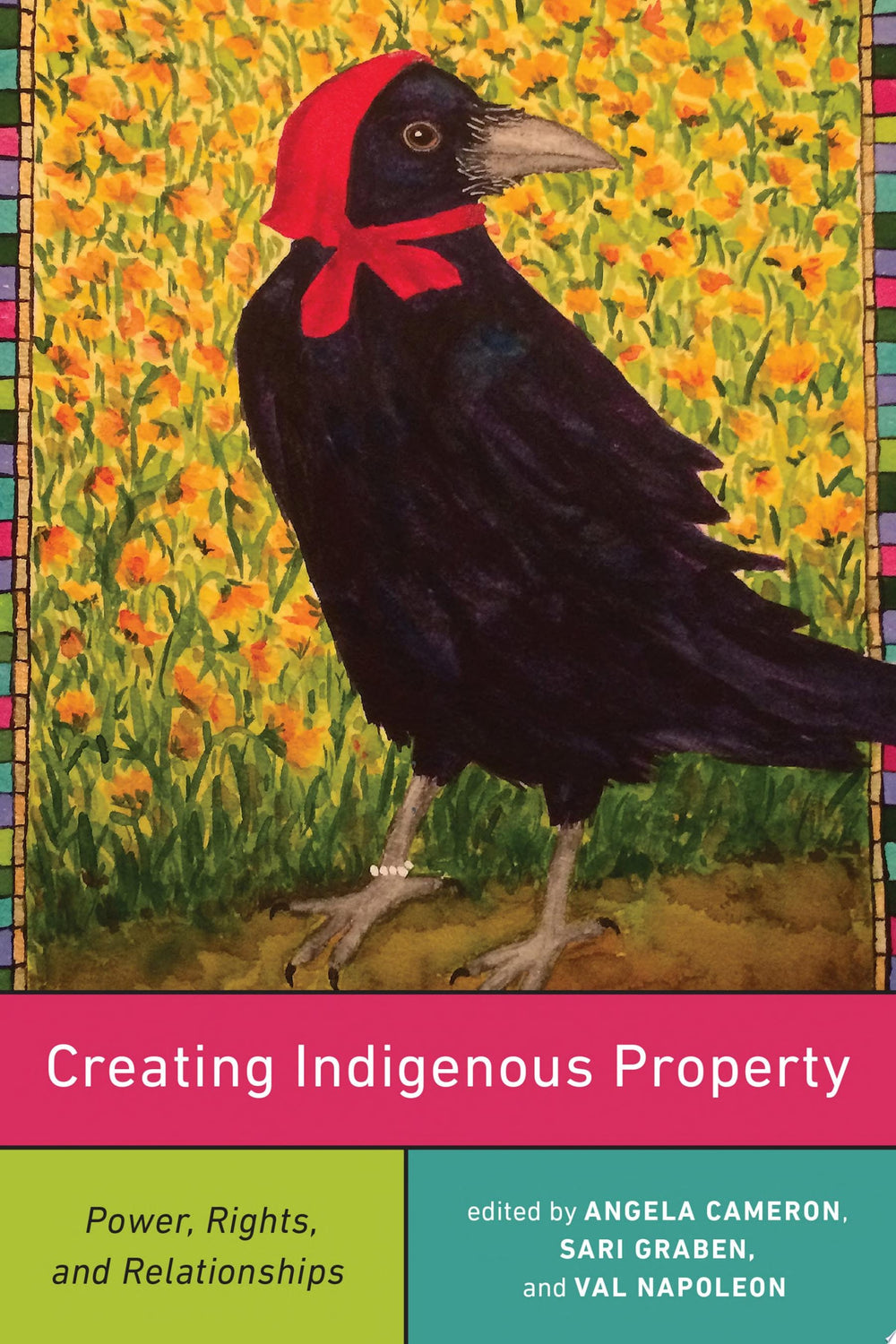
Creating Indigenous Property Power, Rights, and Relationships
Original price was: $6.88.$3.99Current price is: $3.99.
While colonial imposition of the Canadian legal order has undermined Indigenous law, creating gaps and sometimes distortions, Indigenous peoples have taken up the challenge of rebuilding their laws, governance, and economies. Indigenous conceptions of land and property are central to this project.
Creating Indigenous Property identifies how contemporary Indigenous conceptions of property are rooted in and informed by their societally specific norms, meanings, and ethics. Through detailed analysis, the authors illustrate that unexamined and unresolved contradictions between the historic and the present have created powerful competing versions of Indigenous law, legal authorities, and practices that reverberate through Indigenous communities. They have identified the contradictions and conflicts within Indigenous communities about relationships to land and non-human life forms, about responsibilities to one another, about environmental decisions, and about wealth distribution. Creating Indigenous Property contributes to identifying the way that Indigenous discourses, processes, and institutions can empower the use of Indigenous law.
The book explores different questions generated by these dynamics, including: Where is the public/private divide in Indigenous and Canadian law, and why should it matter? How do land and property shape local economies? Whose voices are heard in debates over property and why are certain voices missing? How does gender matter to the conceptualization of property and the Indigenous legal imagination? What is the role and promise of Indigenous law in negotiating new relationships between Indigenous peoples and Canada? In grappling with these questions, readers will join the authors in exploring the conditions under which Canadian and Indigenous legal orders can productively co-exist.