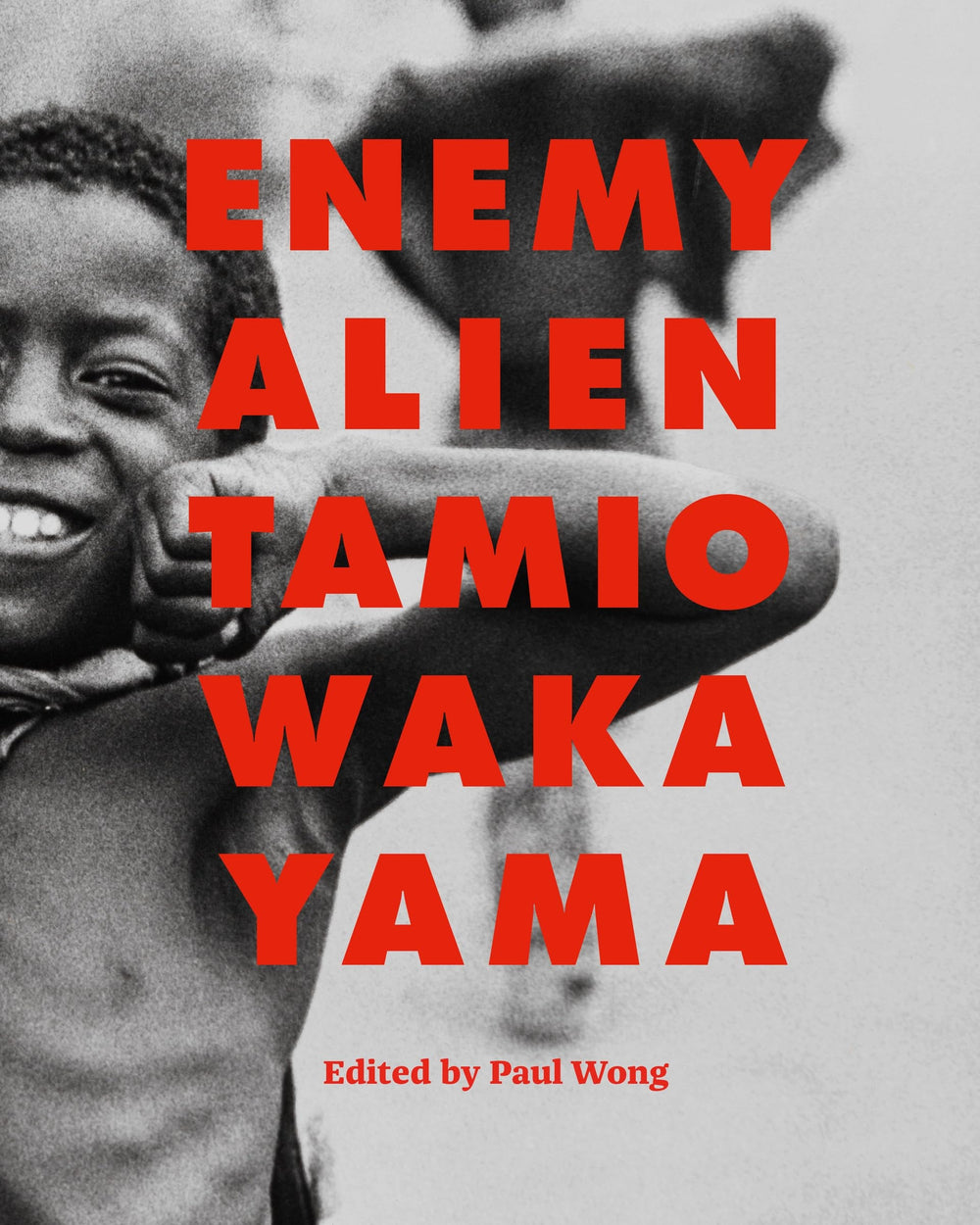
Enemy Alien Tamio Wakayama
Original price was: $6.74.$3.99Current price is: $3.99.
The first publication devoted to Tamio Wakayama’s remarkable photographic career, Enemy Alien shares unpublished photos and a memoir by the artist about his life working alongside activist movements and in vibrant communities, from the civil rights-era American South to the Powell Street Festival in Vancouver.
Wakayama was born in New Westminster, British Columbia mere months before Pearl Harbor and was soon forcibly relocated with his parents to an internment camp for Japanese Canadians. This early childhood experience of injustice would shape the rest of his life and practice. Later, as a young man, Wakayama was vacationing in Tennessee when the Birmingham Church Bombing happened; inspired by a deep sympathy for the activists, he drove straight to Birmingham, met John Lewis, and began working for the Student Nonviolent Coordinating Committee (SNCC) in Atlanta, first as a cleaner and driver and soon as a photographer. For two years Wakayama produced campaign material and documented SNCC activists and actions in Georgia, Mississippi, and Alabama, including the 1964 Freedom Summer. After leaving the US, he photographed Indigenous and Doukhobor communities in Canada, everyday life in Japan and Cuba, and finally settled in Vancouver, where he joined the resurging Nikkei community and the Redress Movement, and for decades photographed the Powell Street Festival.
The centerpiece of the heavily illustrated publication is Wakayama’s unpublished memoir, Soul on Rice, which includes numerous photo spreads. Essays by Eva Respini and Paul Wong situate the artist’s practice within a broader art-historical context, and an interview with Mayumi Takasaki, Wakayama’s partner of forty years, offers an intimate perspective on his life and work. Photos and texts throughout the book are contextualized with archival material such as contact sheets, newspaper articles and the artist’s correspondence. Enemy Alien is co-published with the Vancouver Art Gallery in association with an exhibition of the same name, curated by Paul Wong.