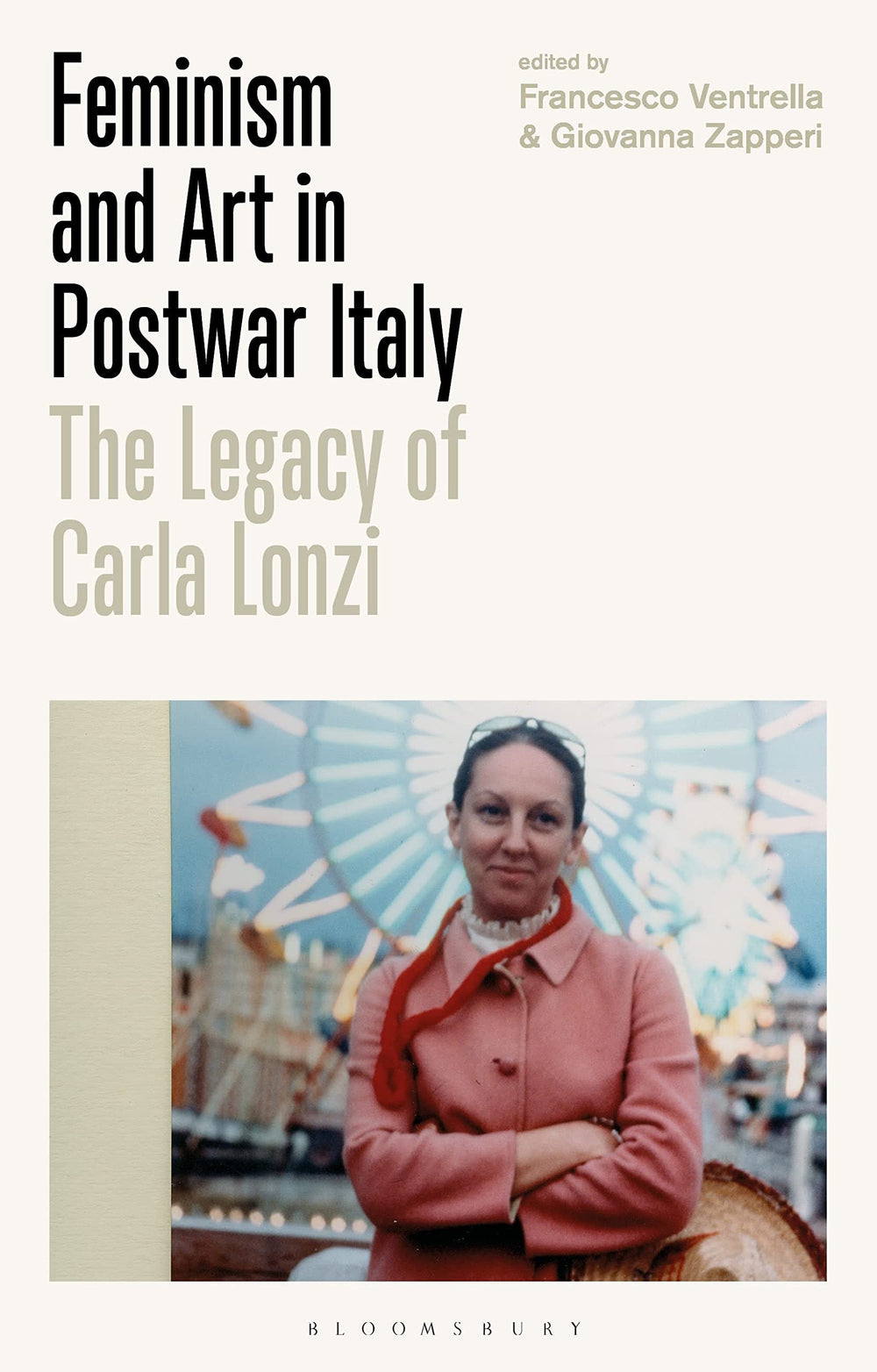
Feminism and Art in Postwar Italy The Legacy of Carla Lonzi
Original price was: $10.05.$5.99Current price is: $5.99.
A renowned art critic of the 1960s, Carla Lonzi abandoned the art world in 1970 to found Rivolta Femminile, a pioneering feminist collective in Italy. Rather than separating the art world luminary from the activist, however, this book looks at the two together. It demonstrates that even as Lonzi refused art, she articulated how feminist spaces and communities drew strength from creativity.
The eleven essays in this book document the artistic and feminist circles of postwar Italy, a time characterised both by radical protest and avant-garde aesthetics, using primary and archival sources never before translated into English. They map Lonzi’s deep connections to the influential Italian Arte Povera movement, and explore her complicated relationship with female artists of the time, such as Carla Accardi and Suzanne Santoro.
Carla Lonzi’s written work and activism represents a crucial, but previously overlooked, feminist intervention in traditional art history from beyond the Anglo-American canon. This book is a timely and urgent addition to our understanding of radical politics, separatist feminism and art criticism in the postwar period.