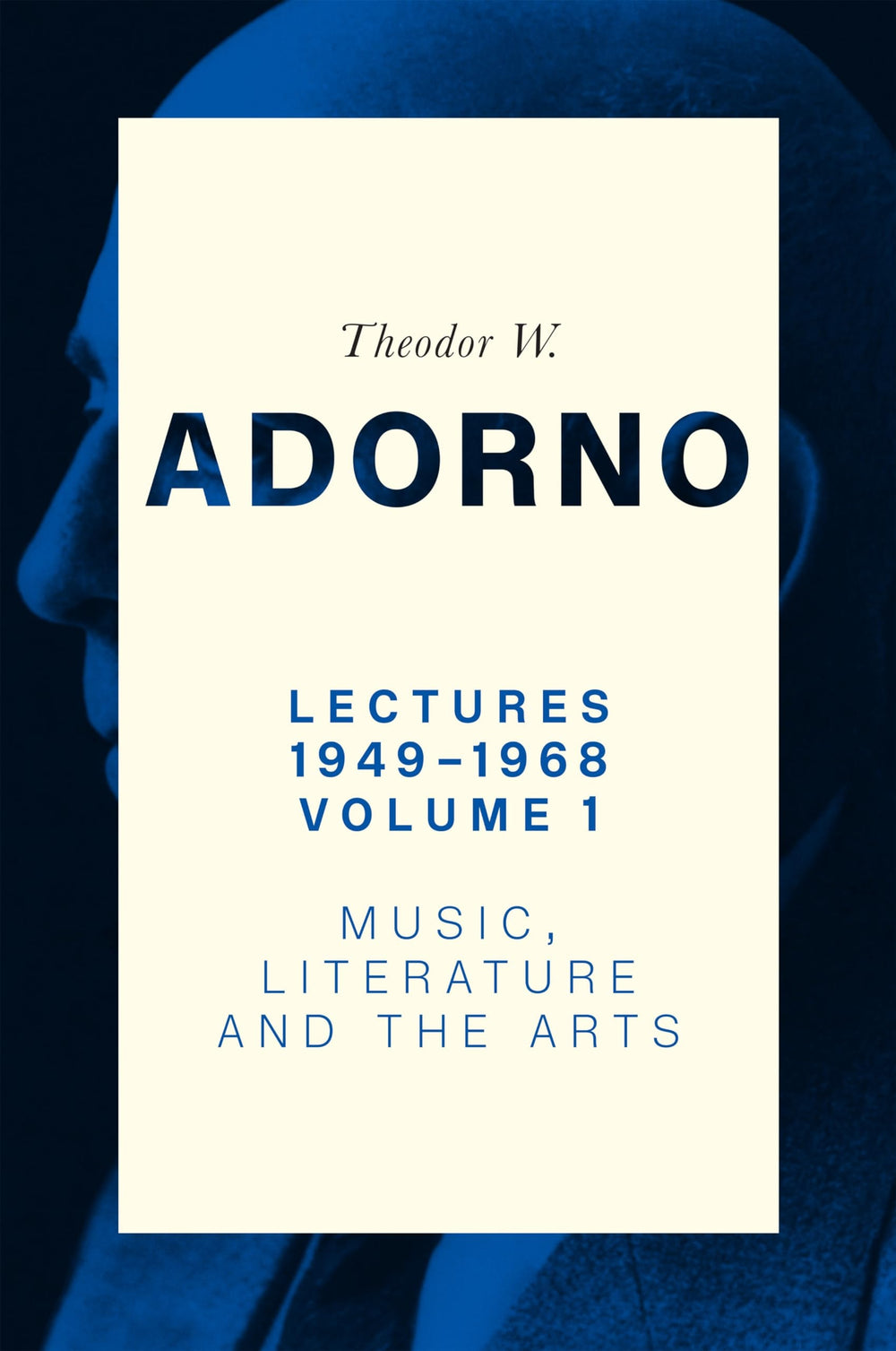
Lectures 1949-1968, Volume 1 Music, Literature and the Arts
Original price was: $5.53.$2.99Current price is: $2.99.
When Theodor W. Adorno returned to Germany from his exile in the United States, he was appointed as a lecturer and researcher at the University of Frankfurt and he immediately made a name for himself as a leading public intellectual. Adorno’s widespread influence on the postwar debates was due in part to the public lectures he gave outside of the university in which he analysed and commented on social, cultural and political developments of the time.
This first volume brings together Adorno’s lectures given between 1949 and 1968 on music, literature and the arts. With an engaging and improvisational style, Adorno spoke with compelling enthusiasm on subjects as diverse as Marcel Proust’s prose, Richard Strauss’s composition technique and Arnold Schoenberg’s Pierrot lunaire. Germany, restoring its social and intellectual institutions, needed to embrace the new music and writers who had been neglected, particularly with regards to Proust. To rebuild was taken to mean rediscovery, but Adorno also nurtured a vision of tradition which – far from being unthinkingly conservative – would attest to society’s honestly-appraised relationship to the past while it underwent the process of modernization. The volume illustrates Adorno’s deep commitment to holding contemporary music and culture to standards commensurate with the aspirations of a modern world emerging from the horrors of war.
This volume of his lectures is a unique document of Adorno’s startling ability to bring critical theory into dialogue with the times in which he lived. It will be of great value to anyone interested in the work of Adorno and critical theory, in German intellectual and cultural history and in the history of modern music and the arts.