Literary Theory for Robots How Computers Learned to Write
Original price was: $2.40.$1.99Current price is: $1.99.
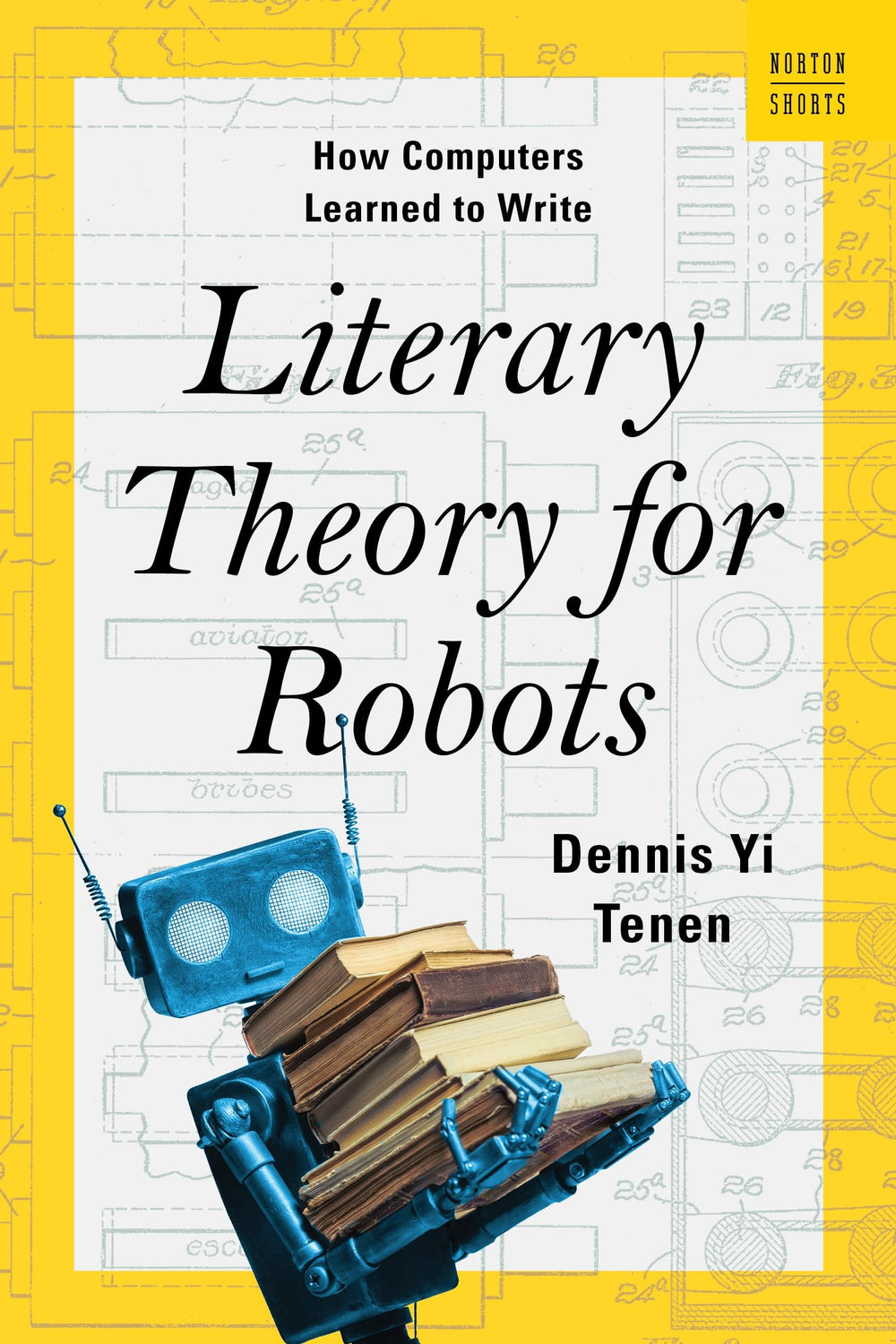
Literary Theory for Robots reveals the hidden history of modern machine intelligence, taking readers on a spellbinding journey from medieval Arabic philosophy to visions of a universal language, past Hollywood fiction factories and missile defense systems trained on Russian folktales. In this provocative reflection on the shared pasts of literature and computer science, former Microsoft engineer and professor of comparative literature Dennis Yi Tenen provides crucial context for recent developments in AI, which holds important lessons for the future of humans living with smart technology.
Intelligence expressed through technology should not be mistaken for a magical genie, capable of self-directed thought or action. Rather, in highly original and effervescent prose with a generous dose of wit, Yi Tenen asks us to read past the artifice–to better perceive the mechanics of collaborative work. Something as simple as a spell-checker or a grammar-correction tool, embedded in every word-processor, represents the culmination of a shared human effort, spanning centuries.
Smart tools, like dictionaries and grammar books, have always accompanied the act of writing, thinking, and communicating. That these paper machines are now automated does not bring them to life. Nor can we cede agency over the creative process. With its masterful blend of history, technology, and philosophy, Yi Tenen’s work ultimately urges us to view AI as a matter of labor history, celebrating the long-standing cooperation between authors and engineers.