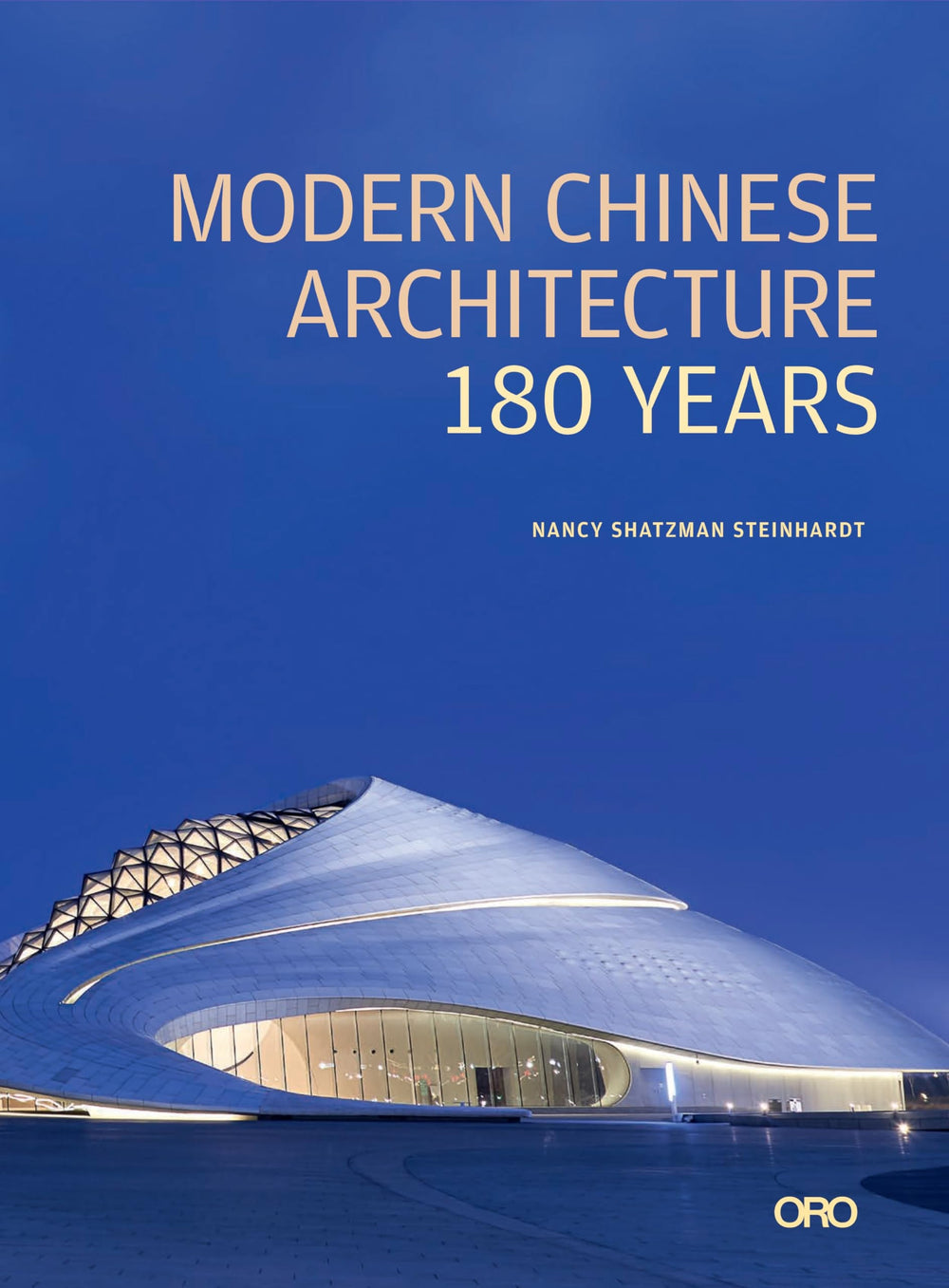
Modern Chinese Architecture 180 Years
Original price was: $14.12.$10.99Current price is: $10.99.
This is a clear, accurate, readable survey of the dramatic transformation of Chinese architecture from 1840 through 2020. It narrates the change from a predominantly timber-frame tradition to construction in twisted steel and ecologically sensitive local materials. The book places the buildings in historical context.
Modern Chinese Architecture: 180 Years tells the dramatic story of the transformation of Chinese architecture from a predominantly modular, timber-frame, single-story building system with ceramic tile roofs of anonymous, local craftsmen to skyscrapers designed by internationally acclaimed architects, from temple markets and itinerant peddlers to megamalls, and from open air stages to auditoriums and stadiums with cutting-edge acoustics. The architectural transformation occurs as China transforms from a dynasty ruled by emperors to a republic to a people’s republic, from a country in which fewer than half the male population, and perhaps 10 percent of the female population could read to at least 97% literacy, and from a population that was fewer than 5 percent to more than 60 percent urban.
The development of architecture in China is explained century-by-century through five generations of architects: foreigners, China’s first generation who study modern architecture abroad, their students who design in China during years of war with Japan, internal warfare, and the Cultural Revolution, the next generation who in the 1980s begin to study abroad again, and designers of this century from every continent who compete to transform the Chinese landscape. Buildings in this book are from every province. Illustrations are superior.