Modi’s India Hindu Nationalism and the Rise of Ethnic Democracy
Original price was: $2.62.$1.99Current price is: $1.99.
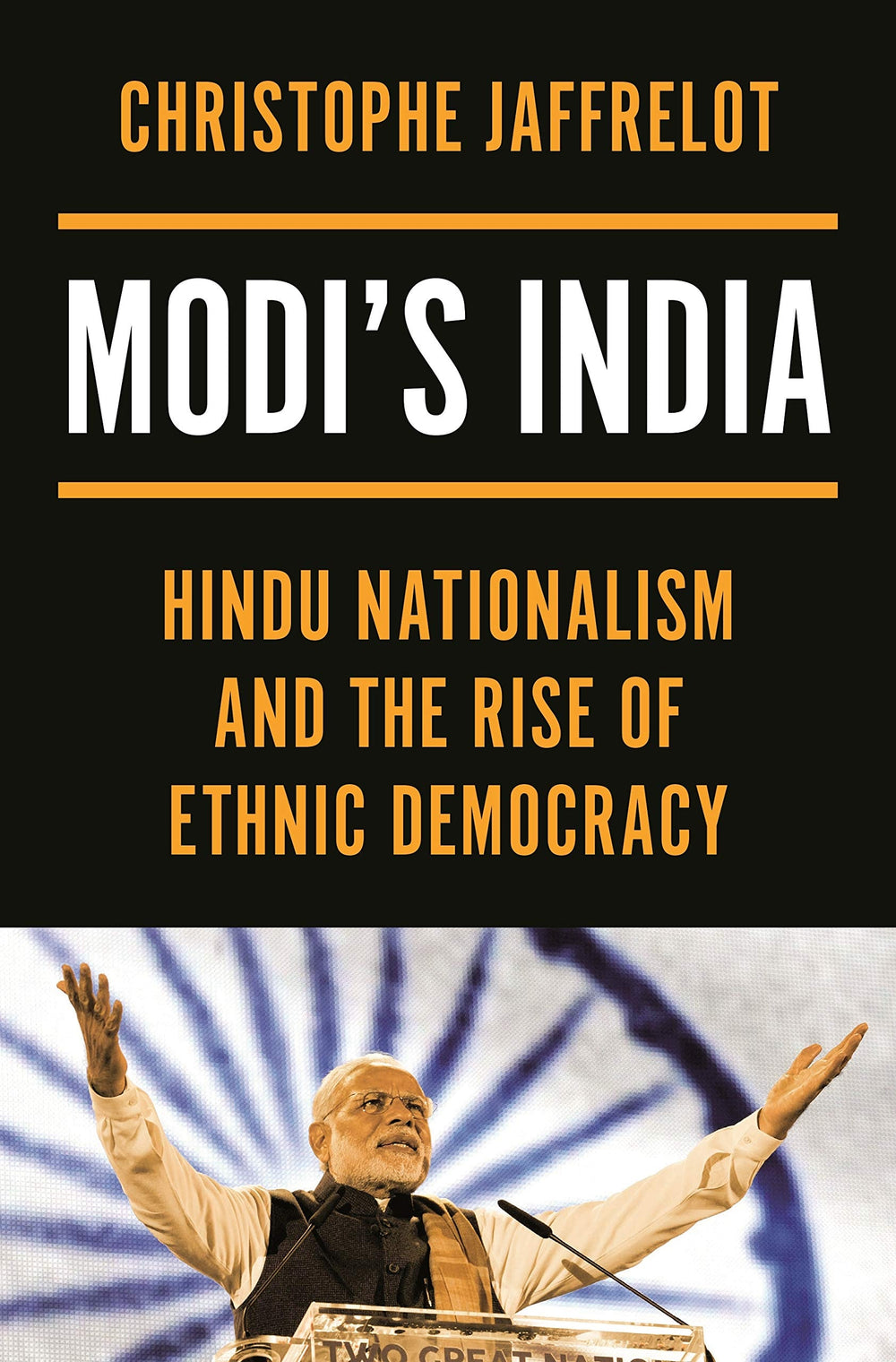
“Although ethnic and sectarian tensions have always been a feature of modern Indian history, the country was founded and governed in its first decades by a nationalist political movement – associated with the Indian National Congress — that stressed the non-sectarian nature of Indian citizenship. Hindu nationalism, a contrary political force, was born in the 1920s but didn’t take off politically until the 1990s. It finally secured national power in 2014 when a populist leader, Narendra Modi — a former governor of the province of Gujarat — leveraged a reputation for successful economic reform and popular resentment toward the country’s Muslim minority to lead his Hindu nationalist party, the BJP, to national victory. In this book, Christophe Jaffrelot recounts how the Hindu nationalist movement under the leadership of Modi’s BJP has deeply transformed the country. Jaffrelot’s main argument is that the reign of Modi and his BJP has ushered India into a new type of regime – what he calls ethnic democracy. Modi’s rule relies undeniably on popular consent. (In last month’s Indian federal elections, Modi consolidated his 2014 win with a decisive electoral victory.) But under the BJP India has largely jettisoned the country’s previous commitment to the preservation of the rights of religious and ethnic minorities. This book is based both on the author’s long years of research in India and on recent extensive interviews conducted across the country with civil servants, government supporters, opponents of the BJP, and members of religious minorities. Because of the tense atmosphere of intimidation throughout the country, many of Jaffrelot’s interlocuters refused to speak on the record; he has given them pseudonyms in this book. The book recounts how proponents of secularism and pluralism, including academics and NGO workers, have been brought to heel; how Christians and Muslims have been increasingly marginalized in national and regional elections; and how the Hindu nationalist government has fostered the development of a shadow “cultural police force” — with formal and informal ties to the state — that censors public speech and intimidates political opponents. The book begins with an overview political history of modern India, explaining how the modern Indian state arose out of the heritage of British colonialism and then out of the Indian Congress-led national liberation movement. The bulk of the book takes up the rise and the rule of Hindu nationalism – Hindutva – and that of the strongman Modi, whose canny brand of populism has proven to be a game changer”–