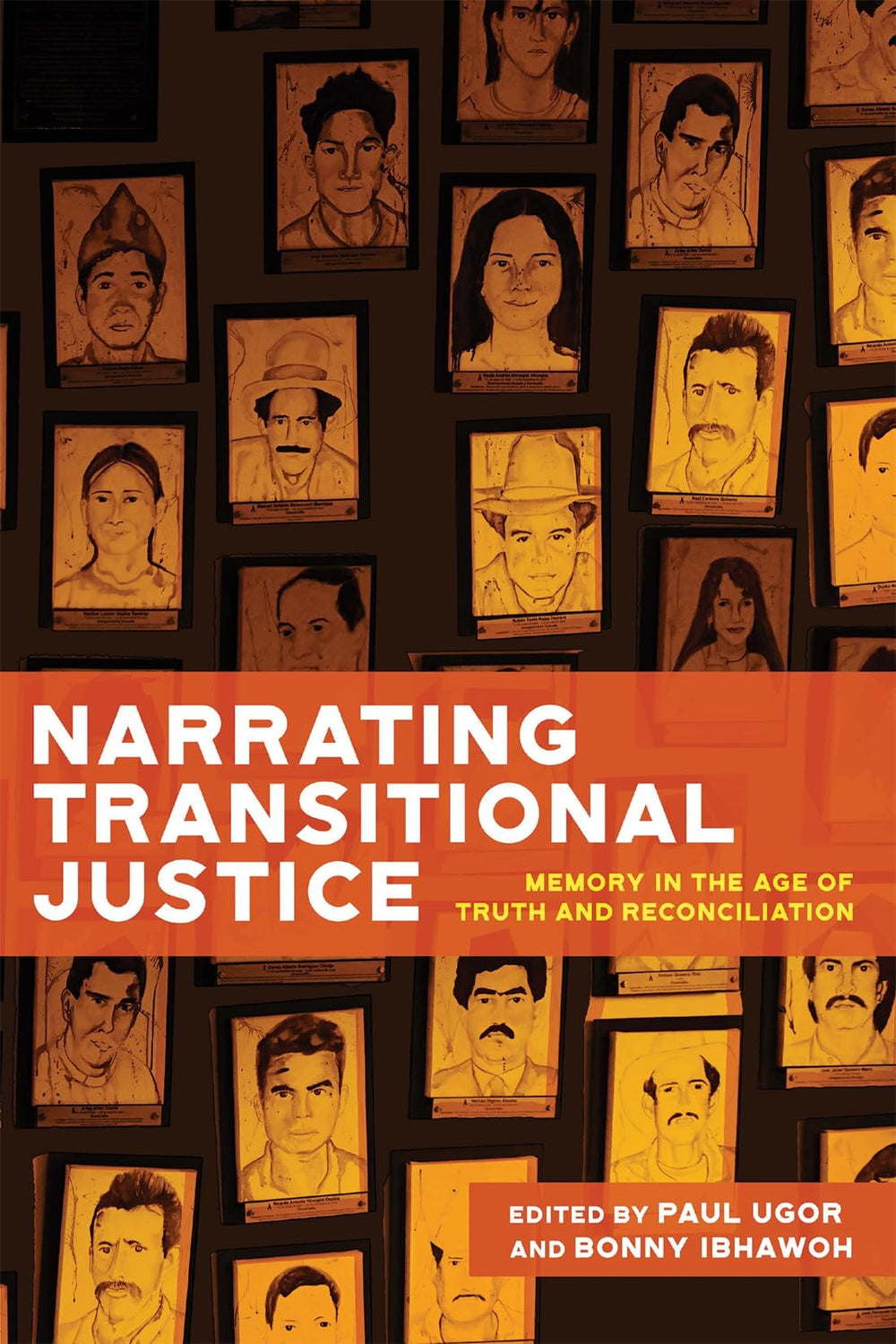
Narrating Transitional Justice Memory in the Age of Truth and Reconciliation
Original price was: $6.73.$3.99Current price is: $3.99.
In truth and reconciliation settings, particular narratives are recounted by victims, perpetrators, witnesses, and legal experts, each employing distinct rhetorical strategies. Their testimonies, reported by the media and represented in various cultural forms, profoundly influence public understanding and collective memory in post-conflict societies.
Authored by an interdisciplinary team of international scholars across the humanities and social sciences, policymakers, and cultural producers, Narrating Transitional Justice examines truth and reconciliation commissions as acts of public storytelling. Contributors elaborate on how these testimonies function as creative grist for cultural producers to reconstruct, redefine, and reappraise transitional justice work. They further examine the inimitable insights that creative imaginaries – in the form of literature, theatre, film, fine art, popular music, street art, and online media – offer about the remaking of nations fractured by long histories of human rights violations.
Critically reflecting on debates around the centrality of storytelling in transitional justice processes, Narrating Transitional Justice asks: What are the discourses embedded in the varied stories of reconciliation actors, and how do these function as acts of state-making after atrocity?