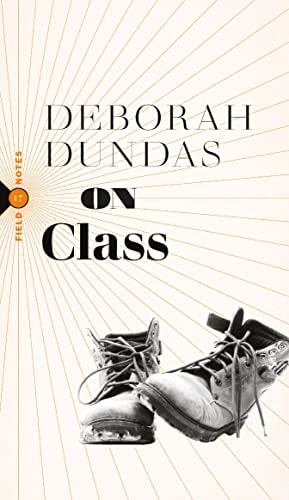
On Class
Original price was: $2.84.$1.99Current price is: $1.99.
Shortlisted for the 2024 Speaker’s Book Award – Nominated for the 2024 Heritage Toronto Book Award – A Hamilton Review of Books Best Book of 2023
Deborah Dundas is a journalist who grew up poor and almost didn’t make it to university. In On Class, she talks to writers, activists, those who work with the poor and those who are poor about what happens when we don’t talk about poverty or class–and what will happen when we do.
Growing up poor, Deborah Dundas knew what it meant to want, to be hungry, and to long for social and economic dignity; she understood the crushing weight of having nothing much expected of you. But even after overcoming many of the usual barriers faced by lower- and working-class people, she still felt anxious about her place, and even in relatively safe spaces reluctant to broach the subject of class. While new social movements have generated open conversation about gender and racism, discussions of class rarely include the voices of those most deeply affected: the working class and poor.
On Class is an exploration of the ways in which we talk about class: of who tells the stories, and who doesn’t, which ones tend to be repeated most often, and why this has to change. It asks the question: What don’t we talk about when we don’t talk about class? And what might happen if, finally, we did?