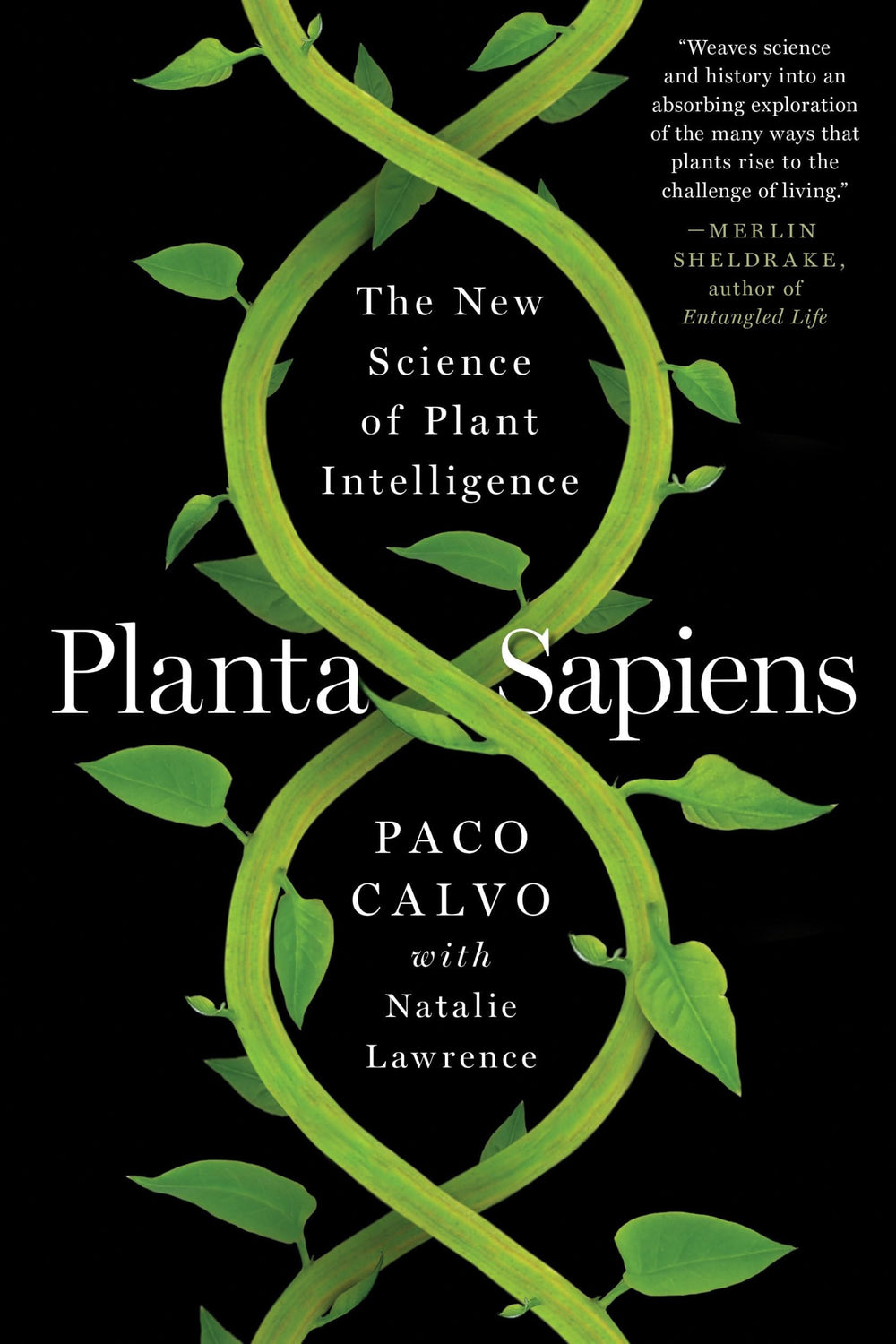
Planta Sapiens The New Science of Plant Intelligence
Original price was: $3.89.$1.99Current price is: $1.99.
An astonishing window into the inner world of plants, and the cutting-edge science in plant intelligence.
Decades of research document plants’ impressive abilities: they communicate with each other, manipulate other species, and move in sophisticated ways. Lesser known, however, is that although plants may not have brains, their internal workings reveal a system not unlike the neuronal networks running through our own bodies. They can learn and remember, possessing an intelligence that allows them to behave in flexible, forward-looking, and goal-directed ways.
In Planta Sapiens, Paco Calvo, a leading figure in the philosophy of plant signaling and behavior, offers an entirely new perspective on plants’ worlds, showing for the first time how we can use tools developed to study animal cognition in a quest to understand plant intelligence. Plants learn from experience: wild strawberries can be taught to link light intensity with nutrient levels in the soil, and flowers can time pollen production to pollinator visits. Plants have social intelligence, releasing chemicals from their roots and leaves to speak to and identify one another. They make decisions about where to invest their growth, judging risk based on the resources available. Their individual preferences vary, too–plants have personalities.
Calvo also illuminates how plants inspire technological advancements, from robotics to AI. Most importantly, he demonstrates that plants are not objects: they have their own agency. If we recognize plants as actors alongside us in the climate crisis–rather than seeing them simply as resources for carbon capture and food production–plants may just be able to help us tackle our most urgent problems.