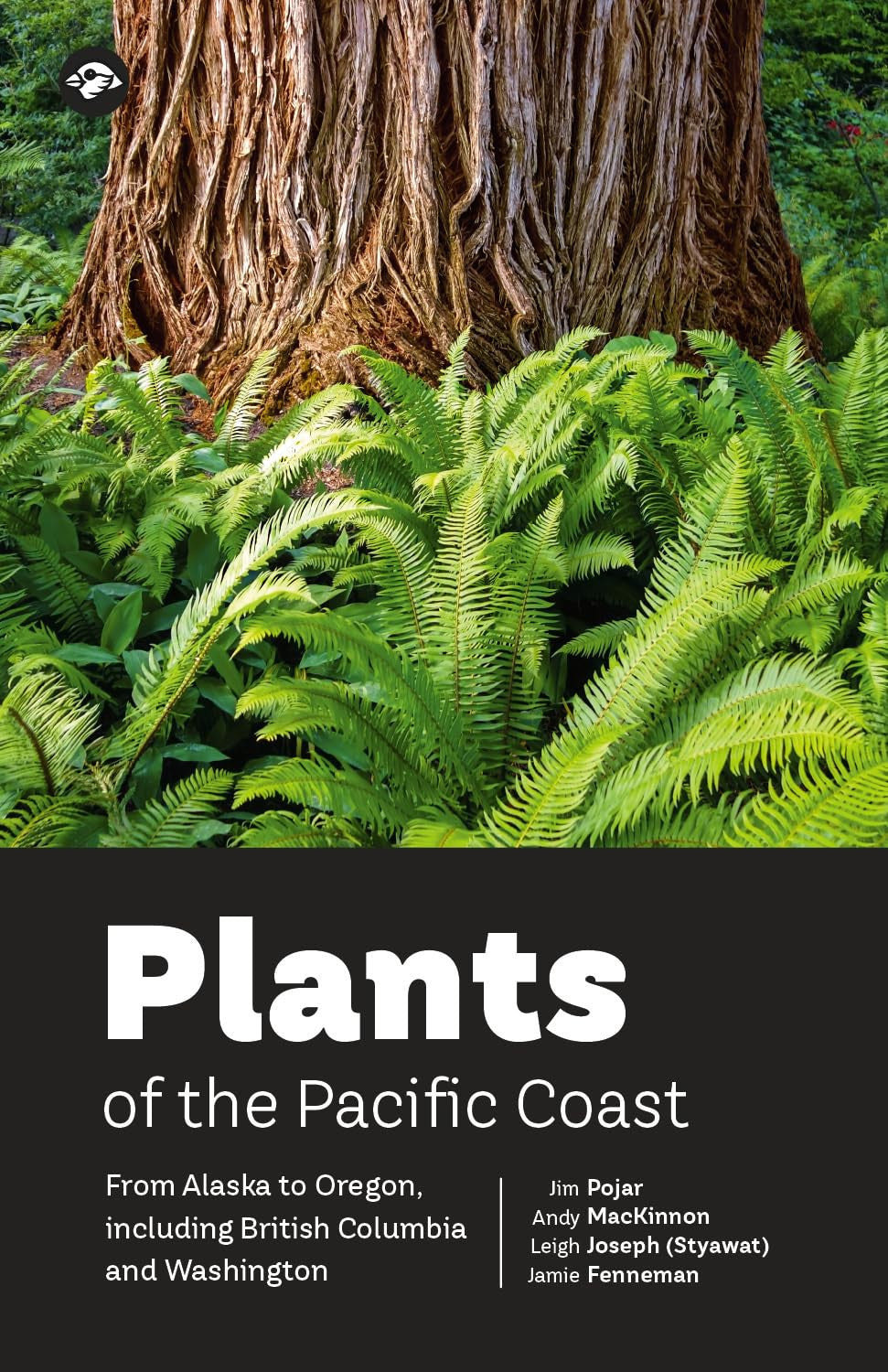
Plants of the Pacific Coast: From Alaska to Oregon, including British Columbia and Washington
Original price was: $5.23.$2.99Current price is: $2.99.
This long-awaited successor to the bestselling Plants of Coastal British Columbia and the Pacific Northwest features over 700 trees, shrubs, wildflowers, ferns, horsetails and lycopods of the north Pacific coast of North America.The region, stretching from southeast Alaska to northwest Oregon, is characterized by humid forests, imposing mountains, muscular rivers, serene and stormy seas, and myriad islands, beaches, wetlands, and meadows.Authors Jim Pojar and Andy MacKinnon, field botanists and forest ecologists who each have 50 years of experience in the region, are joined for this brand-new, fully updated field guide by two colleagues: ethnobotanist Leigh Joseph (Styawat), of the Skwxwú7mesh (Squamish) Nation, and plant taxonomist Jamie Fenneman.This user-friendly book focuses on the vascular plants―their identification, description, ecology, and traditional uses―of the coastal ecosystems of northwest North America. It describes the plants of the region’s temperate rainforests, dry-belt lowland forests, cool subalpine forests, and non-forested habitats from tidewater to alpine, including some common introduced species. The species descriptions are packed with colour photos, range maps, and illustrations.Plants of the Pacific Coast is organized by life form so that species that resemble one another appear in the same group. Within the major sections―Trees, Shrubs, Wildflowers, Aquatics, Graminoids (grasses and grass-like plants), Ferns and Relatives―plants are organized by family. The field guide’s opening section includes an introduction to the region’s physical environment; a description of its plant cover; an overview of regional biodiversity, ecological resilience, and climate change; and an exploration of regional ethnobotany, with insights into Indigenous plant knowledge, uses, and ecosystem management.This comprehensive guide includes up-to-date taxonomy, keys, hundreds of colour photos, ethnobotanical essays, and engaging notes. It will appeal to anyone interested in the region’s rich and diverse plant life.