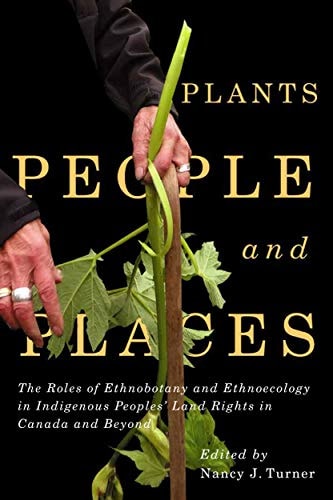
Plants, People, and Places The Roles of Ethnobotany and Ethnoecology in Indigenous Peoples’ Land Rights in Canada and Beyond
Original price was: $8.23.$4.99Current price is: $4.99.
For millennia, plants and their habitats have been fundamental to the lives of Indigenous Peoples – as sources of food and nutrition, medicines, and technological materials – and central to ceremonial traditions, spiritual beliefs, narratives, and language. While the First Peoples of Canada and other parts of the world have developed deep cultural understandings of plants and their environments, this knowledge is often underrecognized in debates about land rights and title, reconciliation, treaty negotiations, and traditional territories. Plants, People, and Places argues that the time is long past due to recognize and accommodate Indigenous Peoples’ relationships with plants and their ecosystems. Essays in this volume, by leading voices in philosophy, Indigenous law, and environmental sustainability, consider the critical importance of botanical and ecological knowledge to land rights and related legal and government policy, planning, and decision making in Canada, the United States, Sweden, and New Zealand. Analyzing specific cases in which Indigenous Peoples’ inherent rights to the environment have been denied or restricted, this collection promotes future prosperity through more effective and just recognition of the historical use of and care for plants in Indigenous cultures. A timely book featuring Indigenous perspectives on reconciliation, environmental sustainability, and pathways toward ethnoecological restoration, Plants, People, and Places reveals how much there is to learn from the history of human relationships with nature.