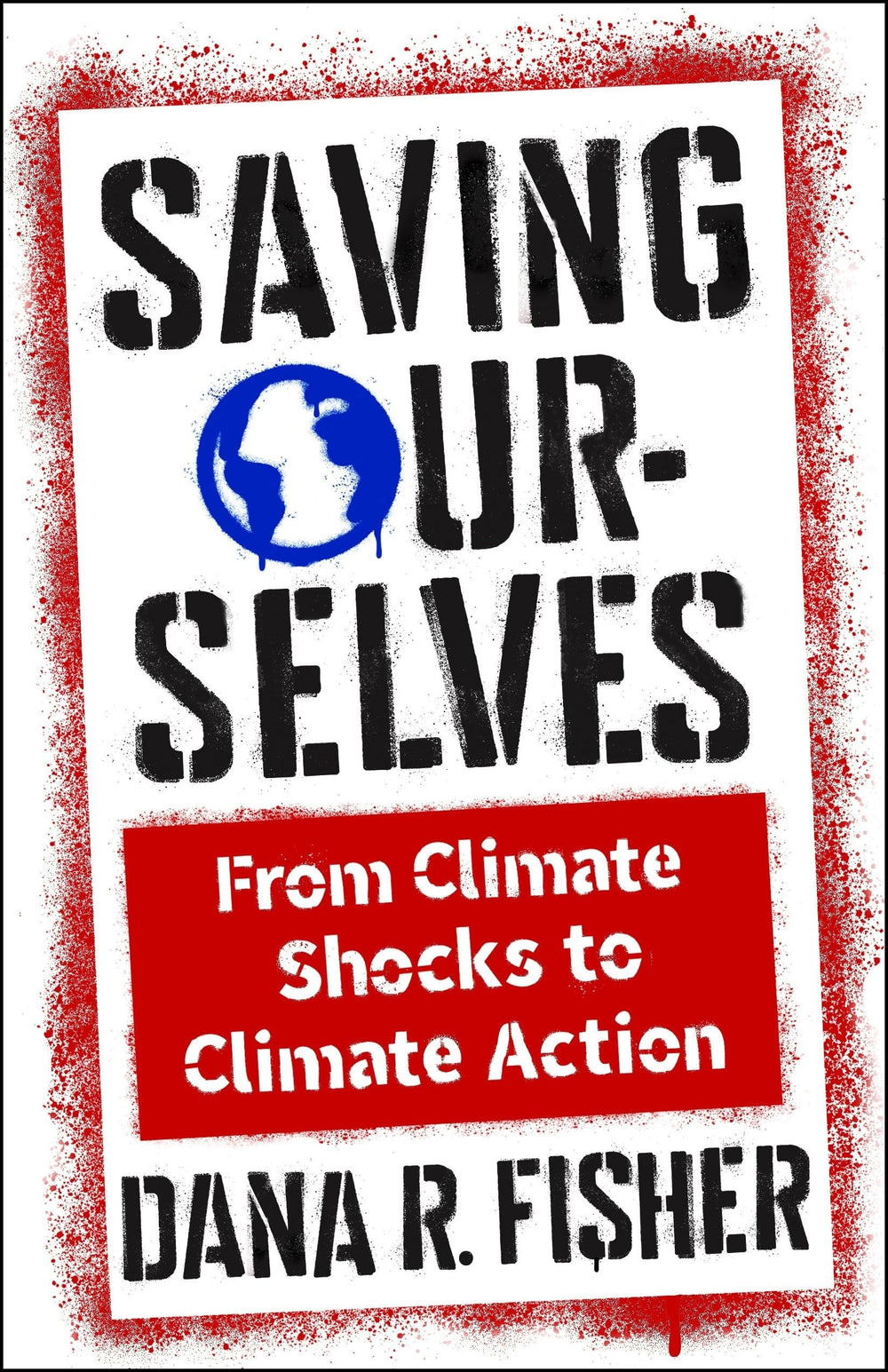
Saving Ourselves From Climate Shocks to Climate Action
Original price was: $2.69.$1.99Current price is: $1.99.
We’ve known for decades that climate change is an existential crisis. For just as long, we’ve seen the complete failure of our institutions to rise to the challenge. Governments have struggled to meet even modest goals. Fossil fuel interests maintain a stranglehold on political and economic power. Even though we have seen growing concern from everyday people, civil society has succeeded only in pressuring decision makers to adopt watered-down policies. All the while, the climate crisis worsens. Is there any hope of achieving the systemic change we need?
Dana R. Fisher argues that there is a realistic path forward for climate action–but only through mass mobilization that responds to the growing severity and frequency of disastrous events. She assesses the current state of affairs and shows why public policy and private-sector efforts have been ineffective. Spurred by this lack of progress, climate activism has become increasingly confrontational. Fisher examines the radical flank of the climate movement: its emergence and growth, its use of direct action, and how it might evolve as the climate crisis worsens. She considers when and how activism is most successful, identifying the importance of creating community, capitalizing on shocking moments, and cultivating resilience. Clear-eyed yet optimistic, Saving Ourselves offers timely insights on how social movements can take power back from deeply entrenched interests and open windows of opportunity for transformative climate action.