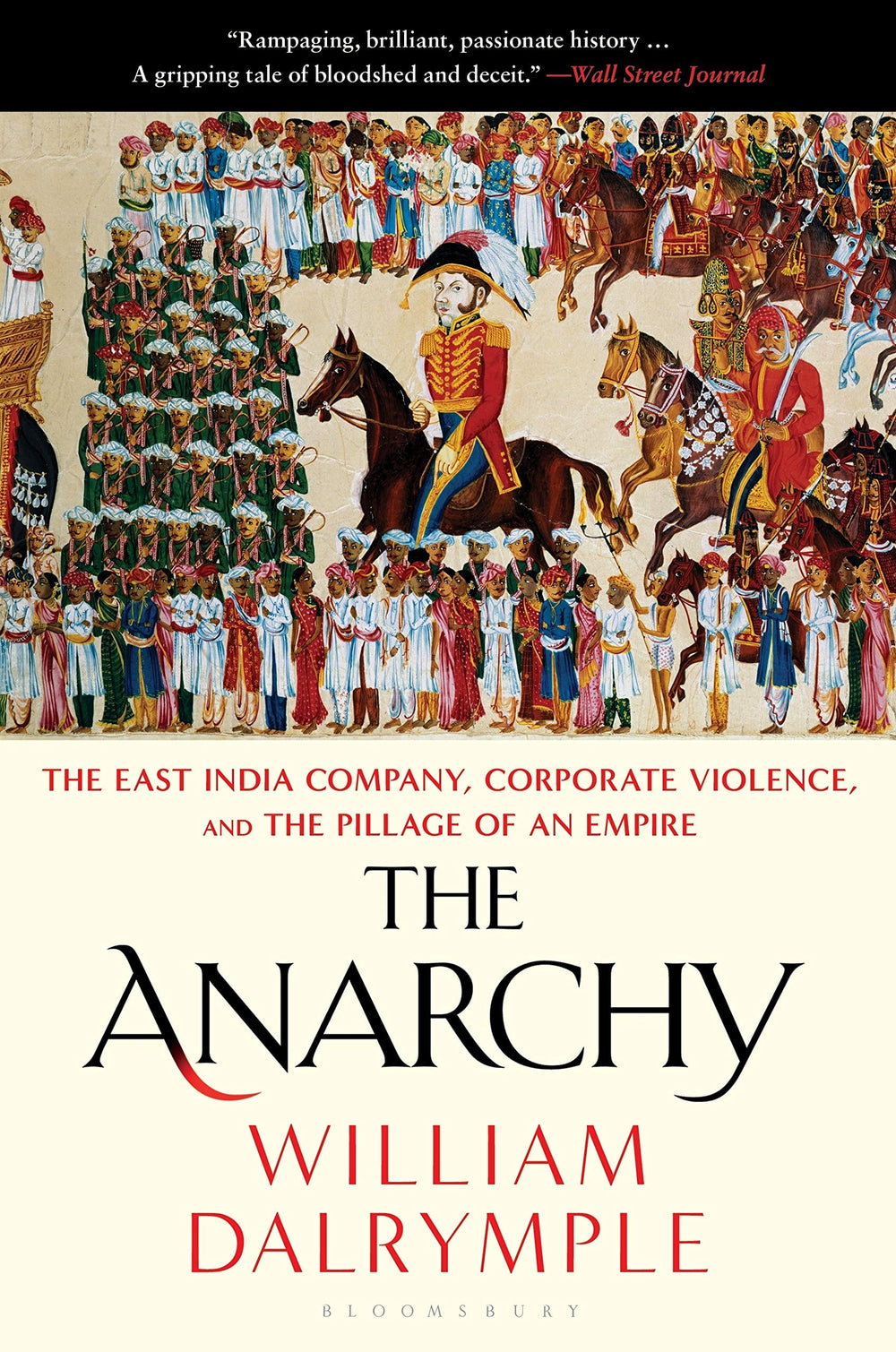
The Anarchy The East India Company, Corporate Violence, and the Pillage of an Empire
Original price was: $4.34.$2.99Current price is: $2.99.
ONE OF PRESIDENT BARACK OBAMA’S FAVORITE BOOKS OF THE YEAR
NAMED A BEST BOOK OF THE YEAR BY The Wall Street Journal and NPR
The epic story of how the East India Company took over large swaths of Asia, and the devastating results of the corporation running a country.
In August 1765, the East India Company defeated the young Mughal emperor and set up, in his stead, a government run by English traders who collected taxes through means of a private army. Over the course of the next 47 years, the company’s reach grew until almost all of India south of Delhi was essentially ruled from a boardroom in the city of London.
The Anarchy tells one of history’s most remarkable stories: how the Mughal Empire-which dominated world trade and manufacturing and possessed almost unlimited resources-fell apart and was replaced by a multinational corporation answerable only to shareholders, most of whom had never even seen India and no idea about the country whose wealth provided their dividends. Using previously untapped sources, William Dalrymple provides a devastating portrait of the brutality that results when a company becomes a colonial power.