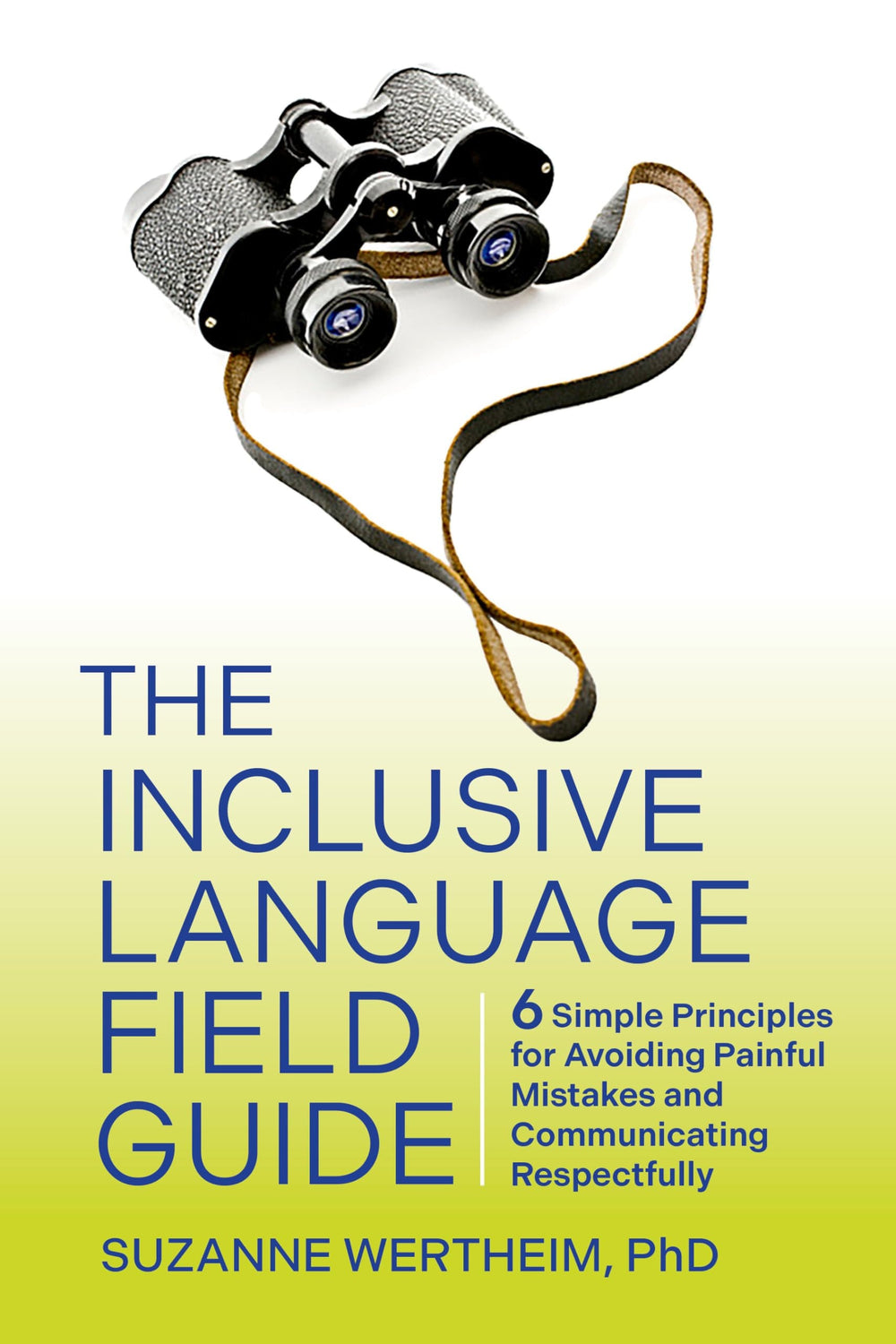
The Inclusive Language Field Guide 6 Simple Principles for Avoiding Painful Mistakes and Communicating Respectfully
Original price was: $4.33.$2.99Current price is: $2.99.
Avoid inadvertently offending or alienating anyone by following six straightforward communication guidelines developed by a no-nonsense linguistic anthropologist and business consultant.
In today’s fast-moving and combative culture, language can feel like a minefield. Terms around gender, disability, race, sexuality and more are constantly evolving. Words that used to be acceptable can now get you “cancelled.” People are afraid of making embarrassing mistakes. Or sounding outdated or out of touch. Or not being as respectful as they intended.
But it’s not as complicated as it might seem. Linguistic anthropologist Suzanne Wertheim offers six easy-to-understand principles to guide any communication-written or spoken-with anyone-
. Reflect reality
. Show respect
. Draw people in
. Incorporate other perspectives
. Prevent erasure
. Recognize pain points
This guide clarifies the challenges-and the solutions-to using “they/them,” and demonstrates why “you guys” isn’t as inclusive as many people think. If you follow the principles, you’ll know not to ask a female coworker with a wedding ring about her husband-because she might be married to a woman. And you’ll avoid writing things like “America was discovered in 1492,” because that’s just when Europeans found it.
Filled with real-world examples, high-impact word substitutions, and exercises that boost new skills, this book builds a foundational toolkit so people can evaluate what is and isn’t inclusive language on their own.