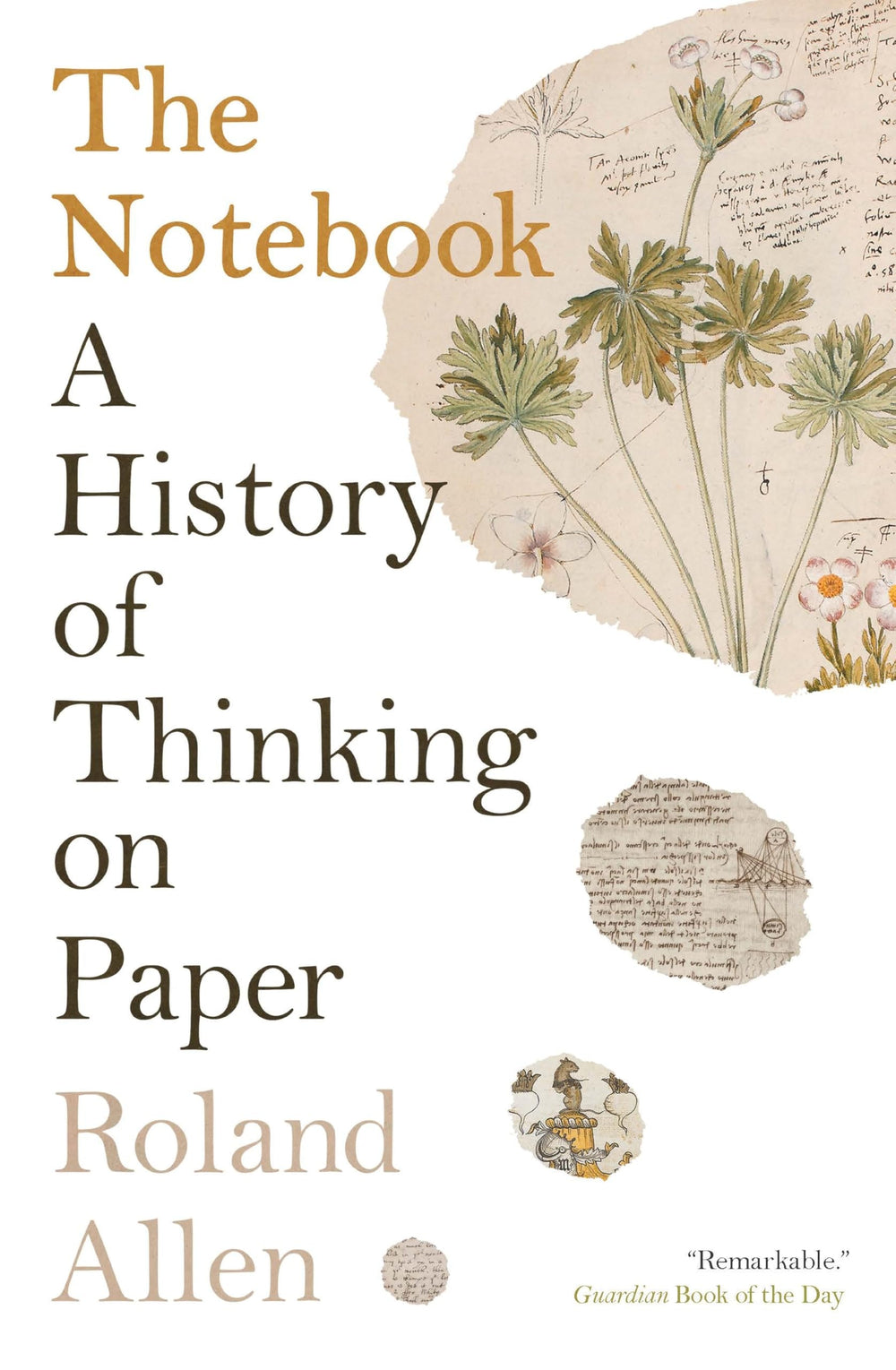
The Notebook A History of Thinking on Paper
Original price was: $4.03.$2.99Current price is: $2.99.
A Globe 100 Best Book of 2024 – A New Yorker Best Book of 2024 – A Kirkus Most Anticipated Book of Fall 2024
The first history of the notebook, a simple invention that changed the way the world thinks.
We see notebooks everywhere we go. But where did these indispensable implements come from? How did they revolutionize our lives? And how can using a notebook help change the way you think? In this wide-ranging history, Roland Allen reveals how the notebook became our most dependable and versatile tool for creative thinking. He tells the notebook stories of Leonardo and Frida Kahlo, Isaac Newton and Marie Curie, and writers from Chaucer to Henry James; shows how Darwin developed his theory of evolution in tiny pocket books and Agatha Christie plotted a hundred murders in scrappy exercise books; and introduces a host of cooks, kings, sailors, fishermen, musicians, engineers, politicians, adventurers, and mathematicians, all of whom used their notebooks as a space to think–and in doing so, shaped the modern world.
In an age of AI and digital overload, the humble notebook is more relevant than ever. Allen shows how bullet points can combat ADHD, journals can ease PTSD, and patient diaries soften the trauma of reawakening from coma. The everyday act of moving a pen across paper, he finds, can have profound consequences, changing the way we think and feel: making us more creative, more productive–and maybe even happier.