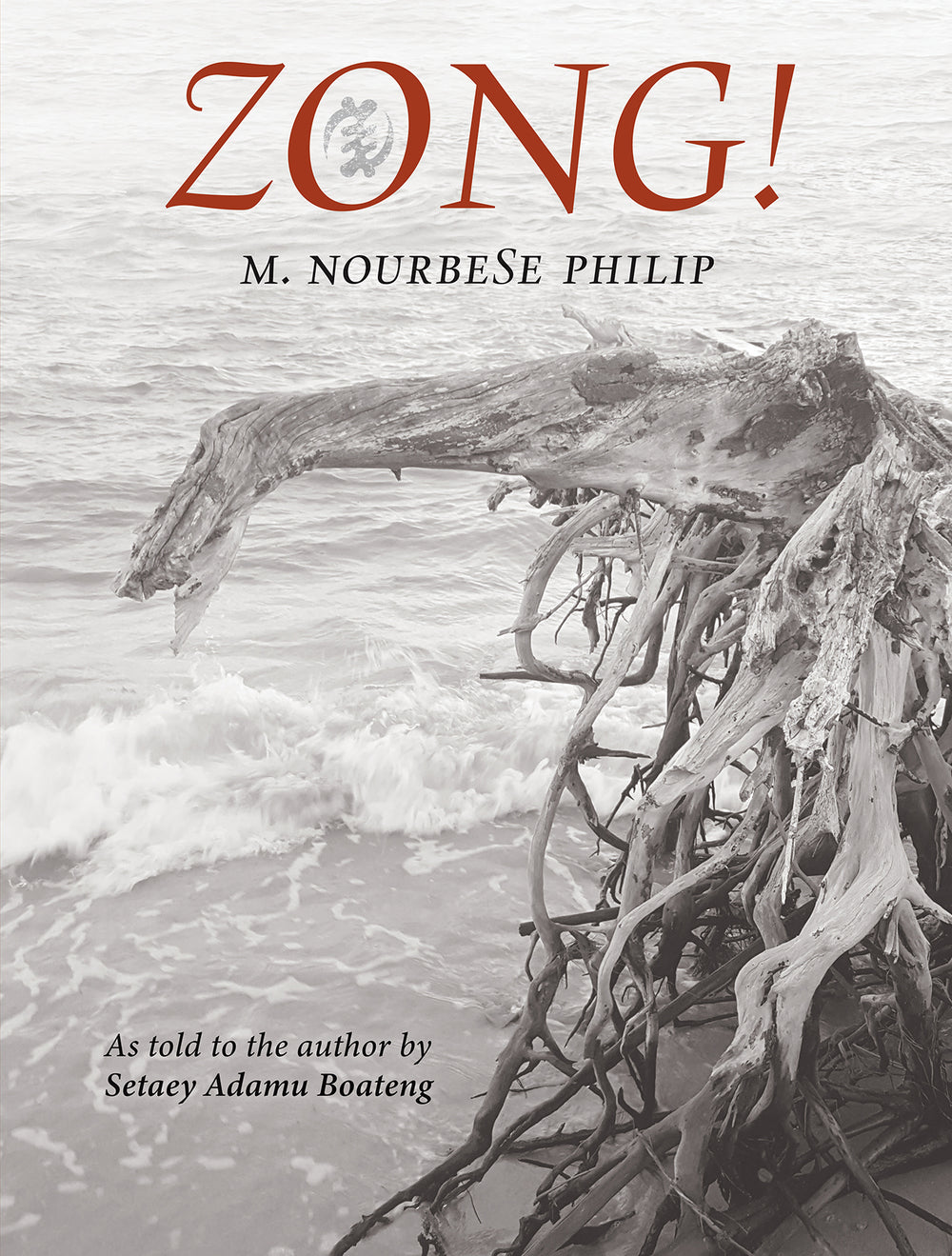
Zong!

Original price was: $3.88.Current price is: $1.99.

Clothing Size Conversion Chart
Category US EU UK Chest (in) Waist (in) Hips (in)
Men XS 44 34 32-34 26-28 33-35
S 46 36 34-36 28-30 35-37
M 48 38 38-40 32-34 39-41
L 50 40 42-44 36-38 43-45
XL 52 42 46-48 40-42 47-49
Women XS 32 6 31-32 24-25 33-34
S 34 8 33-34 26-27 35-36
M 36 10 35-36 28-29 37-38
L 38-40 12-14 37-39 30-32 39-41
XL 42 16 40-42 33-35 42-44
Youth XS 128 7 26-28 23-24 26-28
S 134 8 28-30 24-25 28-30
M 140 10 30-32 25-26 30-32
L 146 12 32-34 26-27 32-34
XL 152 14 34-36 27-28 34-36
Pants Size Conversion Chart
CategoryUSEUUKWaist (in)Hip (in)Inseam (in)
Men284428283430
304630303631
324832323832
345034344033
365236364234
Women0324243430
2346253530
4368263631
63810273832
84012284032
Shoes Size Conversion Chart
CategoryUSEUUKFoot Length (in)
Men6395.59.25
7406.59.625
8417.510
9428.510.25
10439.510.625
114410.511
124511.511.25
134612.511.625
Women5352.58.5
6363.58.875
7374.59.25
8385.59.625
9396.510
10407.510.25
11418.510.625
12429.511
M (Unisex)5374.58.75
6385.59
7396.59.5
8407.510
9418.510.25
10429.510.625
114310.511
124411.511.25
44 People watching this product now!
Description

A haunting lifeline between archive and memory, law and poetry

In November, 1781, the captain of the slave ship Zong ordered that some 150 Africans be murdered by drowning so that the ship’s owners could collect insurance monies. Relying entirely on the words of the legal decision Gregson v. Gilbert–the only extant public document related to the massacre of these African slaves–Zong! tells the story that cannot be told yet must be told. Equal parts song, moan, shout, oath, ululation, curse, and chant, Zong! excavates the legal text. Memory, history, and law collide and metamorphose into the poetics of the fragment. Through the innovative use of fugal and counterpointed repetition, Zong! becomes an anti-narrative lament that stretches the boundaries of the poetic form, haunting the spaces of forgetting and mourning the forgotten.

This fifteenth anniversary edition features a new introduction by M. NourbeSe Philip, as well as essays by Saidiya Hartman and Katherine McKittrick.